
Comparisons
Forged vs Cast Irons: Does It Really Change How They Feel?
Fayrway Pros · 16 October 2026
Table of Contents

Yes, forged and cast irons feel different, but not as much as the marketing suggests, and the gap matters far less than picking the right head shape for your game. Forged irons give a softer, more connected feel and let a good ball-striker shape shots, so they suit lower handicaps. Cast cavity-backs are more forgiving and usually cheaper, which is why most golfers should choose them. The Japan Kamitaki forged set Japan Kamitaki forged set£230.99Buy on Amazon shows the players-iron side, while the PGM cavity-back set
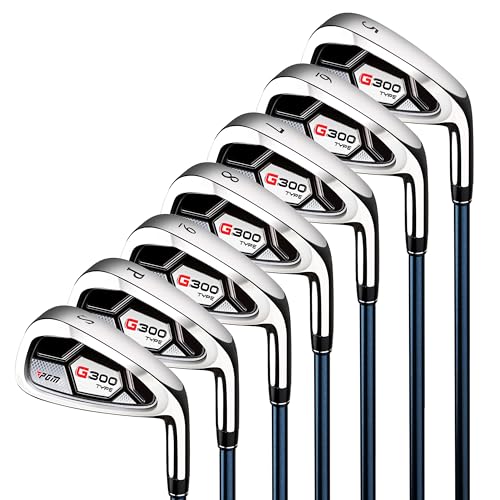 PGM cavity-back set£284.49Buy on Amazon shows the forgiving cast side.
The forged versus cast debate is one of the oldest in golf, and it is wrapped in more myth than almost any other bit of kit. Below we cut through it: how the two are actually made, whether feel is real or in your head, when each one is the right buy, and the best in-stock examples of both on Amazon right now.
At a glance: forged vs cast irons
| Attribute | Forged irons | Cast irons |
|---|---|---|
| How they are made | Hammered and pressed from a solid billet of soft carbon steel | Molten steel poured into a mould, so complex shapes are easy |
| Feel at impact | Softer, more connected, more feedback on mishits | Slightly firmer, feedback muted by cavity and multi-material designs |
| Forgiveness | Usually a compact blade or muscle-back, less forgiving | Wide cavity-backs move weight to the edges for more forgiveness |
| Who they suit | Single-figure and improving mid handicaps who strike it centre | Beginners, high and mid handicaps, anyone wanting help |
| Typical price | Higher for name brands, more hand-finishing | Broad range, from budget sets to premium game-improvement |
How are forged and cast irons actually made?
The difference is the manufacturing process, not some magic metal. A forged iron starts as a solid bar of soft carbon steel that is hammered and pressed into shape under huge pressure, which packs the grain of the metal tightly and lets makers hand-finish the head. A cast iron is made by pouring molten steel into a mould, which is cheaper at scale and lets designers build the intricate cavities, tungsten weights and hollow bodies that create forgiveness. Modern casting is very good, so the old idea that cast heads are crude is long out of date.
Is the difference in feel real, or in your head?
It is real, but small and easy to overstate. On a pure centre strike a forged iron does transmit a softer, more connected sensation up the shaft, and it gives clearer feedback when you miss the middle, which better players value. The catch is that most golfers do not strike the centre often enough to feel it consistently, and today's cast irons feel far softer than they used to thanks to foam inserts, forged face cups and multi-material heads. Feel matters, but head shape, forgiveness and getting fitted for your shaft change your scores far more.
When should you choose forged irons?
Choose forged if you are a single-figure or steadily improving mid handicapper who finds the centre of the face most of the time and wants to shape the ball. A compact forged blade or muscle-back rewards a repeatable strike with feedback and control, and the thinner top line and smaller head sit beautifully behind the ball for a confident striker. If you still hit the odd cold thin or heel strike each round, that same feedback will punish you, so be honest about your contact before you spend up.
When should you choose cast irons?
Choose cast for almost everyone else, which is most golfers. A cast cavity-back or game-improvement iron pushes weight to the perimeter and low in the head, so off-centre strikes still fly reasonably straight and get airborne, and that forgiveness saves more shots than a marginal gain in feel ever will. They also cover a wider price range, so you can get a genuinely good set without paying a premium. If you are a beginner, a high handicapper, or a mid handicapper who wants an easier game, cast is the sensible pick.
Our picks
Japan Kamitaki Forged Iron Set
A genuine soft-carbon forged players set for the ball-striker who wants that classic connected feel and the option to work the ball. It represents the forged side properly: compact, feedback-rich and built for a repeatable strike.
Japan Kamitaki Forged Iron Set
- Soft carbon steel forged heads
- Connected feel with real feedback
- Players shaping and control
Price on Amazon
£230.99
MAZEL WM-X4 Forged Iron Set
The forged feel without the players-iron price. A wider sole and low centre of gravity make this an easier forged set to launch, so it is a sensible way to try forged clubs for improving mid handicappers.

MAZEL WM-X4 Forged Iron Set
- Forged carbon steel construction
- Low centre of gravity for easier launch
- Budget entry to forged feel
Price on Amazon
£51.99
PGM Forgiving Cavity-Back Iron Set
A cast cavity-back built around forgiveness, with perimeter weighting that keeps mishits flying straight. The obvious pick if you want the most help getting the ball up and going for high and mid handicaps.
PGM Forgiving Cavity-Back Iron Set
- Wide cavity-back forgiveness
- Perimeter weighting for straighter mishits
- Easy launch for higher handicaps
Price on Amazon
£284.49
Ram Golf FX77 Players Distance Iron Set
A cast players-distance set that bridges the two worlds: a cleaner, more compact look than a full game-improvement head, with cast forgiveness and added ball speed. Good for the mid handicapper who wants distance and a tidier shape.

Ram Golf FX77 Players Distance Iron Set
- Stainless steel cast construction
- Players-distance shape and extra ball speed
- Forgiveness with a cleaner look
Price on Amazon
£279.99
For a full rundown of the most forgiving sets and how to choose, read our best game-improvement irons for 2026 guide.
Frequently asked questions
Do forged irons really feel softer than cast?
On a centre strike, yes. Forged carbon steel transmits a softer, more connected feel and clearer feedback on mishits. The difference is genuine but small, and modern cast irons feel far softer than they used to. For most golfers, head shape and forgiveness affect scoring far more than the feel of the metal.
Are forged irons harder to hit than cast?
Usually, because forged sets tend to be compact blades or muscle-backs with less perimeter weighting, so off-centre strikes are punished. Cast cavity-backs move weight to the edges for more forgiveness. Some forged sets are built with wider soles to be easier, but as a rule cast game-improvement irons are the more forgiving choice.
Which should a beginner or high handicapper buy?
Cast game-improvement or cavity-back irons, every time. They are more forgiving on mishits, easier to launch, and generally better value than forged players sets. A beginner gains nothing from the soft feel of a forged blade and loses a lot to its lack of forgiveness, so save the forged upgrade for later.
Are forged irons worth the extra money?
Only if you strike the ball consistently from the centre and want to shape shots. For a single-figure or improving mid handicapper the feel and control can be worth it. For everyone else the money is better spent on a forgiving cast set and a proper fitting, which will lower your scores more.
Can cast irons feel as good as forged?
Close, on a good strike. Foam inserts, forged face cups and multi-material heads have narrowed the gap so that premium cast irons feel soft and responsive. A blindfolded test would fool many golfers. Purists still prefer forged, but for feel alone the difference no longer justifies the price for most players.
Should you mix forged and cast irons in one set?
Yes, and many golfers do. A common combo set uses forgiving cast long irons that are easier to launch, with forged short irons for feel and control where you want precision. Manufacturers build these blended sets on purpose, so you get help where you need it and feedback where it matters.
The honest answer is that feel is real but minor, and forgiveness wins for most golfers. Pick forged only if you strike it cleanly and want to work the ball, otherwise a good cast set is the smarter buy. For the most forgiving options and full buying advice, see our best game-improvement irons for 2026 guide.


