
Comparisons
Driver vs 3-Wood Off the Tee: Which Should You Hit?
Fayrway Pros · 9 October 2026
Table of Contents

Hit the driver off the tee when the hole is wide enough to accept it, because the extra 20 to 30 yards makes every approach shorter and easier. Hit a 3-wood when the fairway is tight, wet or lined with trouble, since its shorter shaft and higher loft are far easier to keep in play. If you only carry one big stick with confidence, a forgiving driver like the Ben Sayers M8 Ben Sayers M8Out of stockView on Amazon wins on scoring holes, but a 3-wood such as the TaylorMade Qi10
 TaylorMade Qi10£229.00Buy on Amazon is the smarter miss when accuracy matters more than raw distance.
At a glance: driver vs 3-wood off the tee
| Attribute | Driver | 3-wood |
|---|---|---|
| Typical loft | 9 to 12 degrees | 13 to 16 degrees |
| Shaft length | Around 45 to 46 inches | Around 42 to 43 inches |
| Distance off the tee | Longest club in the bag | Roughly 20 to 30 yards shorter |
| Accuracy and control | Hardest to hit straight | Easier to keep in the fairway |
| Best used when | Wide holes, firm ground, need distance | Tight holes, wet ground, trouble in play |
How do a driver and a 3-wood actually differ?
The two clubs are built to do different jobs. A driver has the lowest loft and the longest shaft in the bag, which is what makes it the longest club and also the hardest to control. Small errors in your swing path or face angle are magnified over 46 inches of shaft and low loft, so a mishit driver curves a long way offline.
A 3-wood has more loft and a shorter shaft. That extra loft gets the ball up more easily and adds backspin, which straightens ball flight and reduces sidespin curve. The shorter shaft is simpler to time and control. You give up distance, but you gain a much better chance of finding the short grass.
When should you choose the driver off the tee?
Reach for the driver when the hole gives you room. On a wide par four or a par five where distance sets up the next shot, the driver shortens the hole more than any other club and turns a long-iron approach into a short one. Firm, dry fairways add roll, so the gap over a 3-wood grows even wider.
The driver is also the right call when you simply need to carry a hazard or reach a landing area a 3-wood cannot. If you can commit to the swing without fear of the trouble, the extra distance is worth having. A forgiving, large-headed driver makes this far less risky than an old low-loft model.
When should you choose the 3-wood off the tee?
Choose the 3-wood when the penalty for a miss outweighs the reward for distance. Narrow tree-lined holes, out of bounds down one side, water in the driving zone, or a fairway that pinches in at driver range are all classic 3-wood situations. The tighter dispersion keeps you in play and out of a card-wrecking penalty.
It is also the better club in bad conditions. Into a stiff wind a lower-launching driver can balloon or spin sideways, while wet British fairways give little roll, so the driver's distance edge shrinks. Many good golfers use the 3-wood as their default tee club on any hole where position beats power.
What about premium and tour driver and fairway wood models?
Callaway, Ping, Titleist and the top TaylorMade lines are superb, and if you play often and get fitted they are worth the outlay. The catch is price and availability: the newest tour heads are sold mainly through golf retailers and custom fitters, not always on Amazon, and they cost several times more than the clubs here. The picks below are the best-value in-stock driver and 3-wood options you can get delivered fast, from a forgiving budget driver to a genuine current-model tour 3-wood. If you want a fully fitted premium build, buy it from a specialist. You can also see what our pros stock in the Fayrway fairway woods range.
Our picks
Ben Sayers M8 Driver
A forgiving, large-headed driver from a recognised UK brand at a genuinely low price. The graphite shaft and generous head suit beginners and higher handicappers who want distance on wide holes without stretching the budget. This is the pick if you want the driver to be your go-to on scoring holes.
Ben Sayers M8 Driver
- Forgiving large graphite head
- Recognised UK golf brand
- Easy distance on wide holes
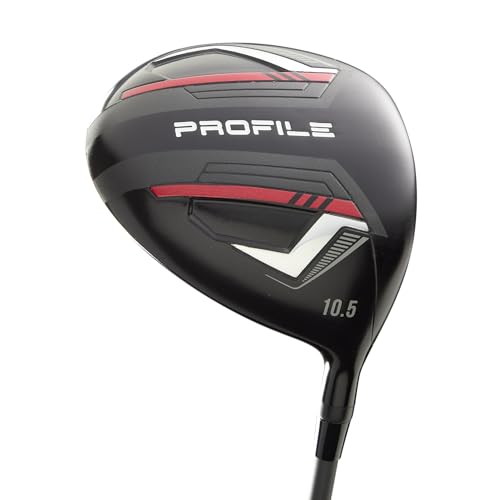
Wilson Profile Driver
A trusted big-brand driver built for straightforward, dependable distance off the tee. Wilson makes clubs for every level and the Profile head is easy to launch, so it is a solid step up if you want a familiar name driving on the open holes.
Wilson Profile Driver
- Trusted Wilson build
- Easy-launching driver head
- Dependable distance off the tee
Price on Amazon
£79.99
TaylorMade Qi10 3-Wood
A genuine current-model tour 3-wood, the club to reach for when accuracy off the tee matters more than raw yardage. The higher loft and shorter shaft make it far easier to keep in the fairway on tight holes, and the TaylorMade build is a real step up in quality. This is the accuracy-first tee club.
TaylorMade Qi10 3-Wood
- Current-model tour 3-wood
- Higher loft launches easily
- Tighter dispersion off the tee
Price on Amazon
£229.00
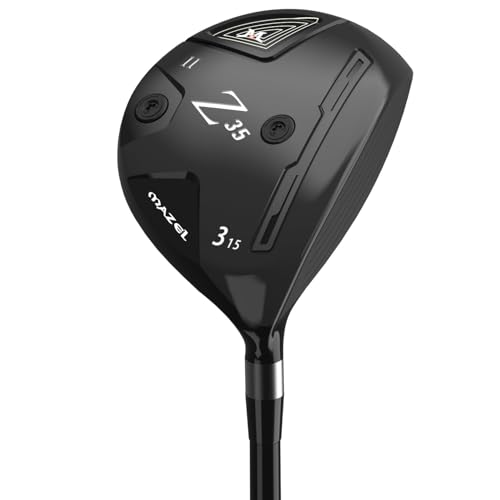
MAZEL 3-Wood
A budget titanium-faced 3-wood for golfers who want a safe, controllable tee club without spending big. It gives you the shorter-shaft accuracy advantage of a fairway wood at a fraction of the tour price, so it is an easy way to add a reliable position club to the bag.
MAZEL 3-Wood
- Titanium-faced fairway wood
- Shorter shaft for control
- Affordable accuracy off the tee
Price on Amazon
£69.99
For the full rundown of forgiving big sticks, see our guide to the best golf drivers for high handicappers.
Frequently asked questions
Is a 3-wood more accurate than a driver off the tee?
Generally yes. A 3-wood has a shorter shaft and more loft than a driver, which reduces sidespin and makes the club easier to time and control. That means tighter dispersion and a better chance of finding the fairway, at the cost of roughly 20 to 30 yards of distance.
How much shorter is a 3-wood than a driver?
For most golfers a 3-wood carries and rolls about 20 to 30 yards shorter than a driver off the tee. The gap widens on firm, dry fairways where the driver gets more roll, and narrows in wet conditions or into the wind where roll and distance are limited anyway.
Should a beginner use a driver or a 3-wood off the tee?
Many beginners score better starting with a 3-wood because it is easier to get airborne and keep in play. As your strike improves, a forgiving large-headed driver on wider holes adds valuable distance. Carry both and let the hole decide, using the 3-wood whenever the fairway is tight.
Can you tee up a 3-wood?
Yes. Tee the ball low so only a small part sits above the crown, roughly half the ball proud of the ground. Teeing a 3-wood slightly gives you a cleaner strike than off the turf while keeping the lower, more controlled flight that makes it useful off the tee.
When is it worth hitting driver over a 3-wood?
Hit driver when the hole is wide enough to accept a small miss and distance genuinely helps your next shot, such as par fives or long par fours on firm ground. If you can swing freely without fearing the trouble, the extra 20 to 30 yards makes your approach much easier.
Do I need both a driver and a 3-wood in my bag?
Most golfers benefit from carrying both. The driver handles wide scoring holes where distance counts, and the 3-wood covers tight, wet or hazard-lined tees where position matters more. Having both lets you match the club to the hole rather than forcing one club to do every job.
Match the club to the hole, not your ego: driver when the fairway is wide, 3-wood when it is tight. To pick the most forgiving big stick for your game, read our guide to the best golf drivers for high handicappers.


