
Buying Guides
Best Golf Polos 2026: On and Off the Course
Fayrway Pros · 27 August 2026
Table of Contents

For most golfers the best golf polo you can buy on Amazon right now is the Under Armour Tech Polo Under Armour Tech Polo£23.90Buy on Amazon, a light, sweat-wicking shirt that holds its shape all round. On a budget the adidas Core Performance polo
 adidas Core Performance polo£20.61Buy on Amazon does the same core job for less, and for a premium feel the Callaway Tournament polo
 Callaway Tournament polo£31.64Buy on Amazon moves beautifully with your swing.
A golf polo has one job: to keep you cool, dry and unrestricted from the first tee to the last green, whatever a British afternoon throws at you. Below are the best men's and ladies' golf polo shirts you can get on Amazon right now with fast delivery, grouped by the job each does best, plus honest guidance on where the tour and pro-shop brands do and do not earn their extra money.
At a glance: the best golf polos for 2026
| Polo | Fabric | Best for | Price |
|---|---|---|---|
| Under Armour Tech Polo | Loose knit poly | Best overall | £23.90 |
| adidas Core Performance Polo | Recycled Primegreen | Best budget | £20.61 |
| Callaway Tournament Polo | Stretch performance | Best performance and premium | £31.64 |
| Stromberg Drift Polo | Lightweight moisture-wicking | Best for hot days | Out of stock |
| adidas Women's Solid Performance Polo | Recycled performance | Best ladies | £22.37 |
| HUAKANG 3 Pack Golf Polos | Quick-dry poly | Best value multipack | £26.73 |
Prices are pulled live from Amazon and update through the day.
What makes a good golf polo?
Fabric and fit, in that order. A golf polo needs to pull sweat away from your skin and dry fast, so a technical polyester or poly-blend beats pure cotton every time on the course. Cotton feels lovely in the clubhouse, but it soaks up sweat and rain and hangs heavy for the back nine.
After fabric, look for a collar that stands up rather than curling, a hem long enough to stay tucked through a full swing, and enough stretch across the shoulders that nothing pulls at the top of your backswing. A little four-way stretch is worth far more than a designer logo.
Do you need golf-specific polos, or will any polo do?
A dedicated golf polo is worth it, mainly for the stretch and the sweat management. A cheap high-street polo will pass most dress codes, but it will not move with your swing or wick sweat the way a purpose-built golf shirt does, and it will feel clammy on a warm round.
Most UK clubs still ask for a collared shirt tucked in, with no round-neck tops on the course, so any collared polo keeps you compliant. The picks here all clear that bar and add the performance fabric that makes a real difference over 18 holes.
How should a golf polo fit, and how do you care for it?
Aim for close but not tight, with full, unrestricted movement across the shoulders. You should be able to make a complete swing without the fabric dragging, and the hem should stay tucked when you bend to read a putt. If you are between sizes, size up for comfort rather than a gym-fit look.
Care is simple and it protects the fabric. Wash performance polos cold on a gentle cycle, skip the fabric softener as it clogs the wicking fibres, and hang to dry rather than tumble drying on high heat. Done that way, a good technical polo keeps its shape and stays fresh for years.
What about tour and pro-shop brands?
They are excellent, and if you play several times a week a premium shirt from a golf specialist is money well spent. Tour polos from the pro-shop names use the softest performance fabrics, the neatest tailoring and the most durable collars, and they hold their look wash after wash. The catch for a lot of buyers is price: those shirts often run £60 to £90 each, two or three times the cost of the polos here, and they are sold mainly through golf retailers rather than on next-day delivery. The picks below are the best-value in-stock options that do the same core job of keeping you cool, dry and swing-ready. If you want a premium shirt curated by pros, browse the Fayrway golf polos range.
Our top picks in detail
Under Armour Tech Polo: best overall
Verdict: the polo we would hand most golfers first. A trusted brand, genuinely light and breathable, at a price that does not sting.
Under Armour's Tech polo uses a soft, loose-knit fabric that wicks sweat and dries fast, so it stays comfortable whether you are walking a warm parkland round or grinding through a muggy afternoon. The anti-odour finish keeps it fresh, the collar holds its shape, and the relaxed cut gives you room to swing. For the money, nothing here balances comfort, breathability and everyday value as well.
- Pros: light and breathable, sweat-wicking with anti-odour finish, trusted brand, keen price.
- Cons: plain styling, relaxed fit is looser than a tailored golf cut.
Under Armour Tech Polo
- Light, loose-knit sweat-wicking fabric
- Anti-odour finish stays fresh
- Room to swing with a shape-keeping collar
Price on Amazon
£23.90
adidas Core Performance Polo: best budget
Verdict: a proper branded performance polo at a low price, ideal for building out a golf wardrobe without overspending.
This adidas polo is made from recycled Primegreen fabric that moves sweat away and dries quickly, with the clean three-stripe styling and reliable fit adidas is known for. It lacks the plusher hand-feel of a premium shirt, but for the price it delivers proper golf performance from a recognisable brand, which makes it an easy pick if you want two or three shirts in rotation.
- Pros: excellent value, recycled performance fabric, recognisable brand, reliable fit.
- Cons: fabric is thinner than premium polos, styling is understated.
adidas Core Performance Polo
- Recycled Primegreen performance fabric
- Sweat-wicking and quick-drying
- Trusted adidas fit at a low price
Price on Amazon
£20.61
Callaway Tournament Polo: best performance and premium
Verdict: the closest thing here to a tour-feel shirt, if you want a proper golf brand without pro-shop pricing.
Callaway is a golf brand through and through, and the Tournament polo feels it. The stretch performance fabric moves freely with your swing, wicks well and drapes cleanly rather than clinging, and the solid colours look smart on and off the course. It sits at the top of this group on price but undercuts the tour names by a wide margin, so it is the natural step up if a premium golf feel matters to you.
- Pros: golf-brand build, stretch fabric moves with your swing, smart drape, wicks well.
- Cons: priciest here, solid-colour range is understated.
Callaway Tournament Polo
- Stretch performance fabric moves with your swing
- Wicks sweat and drapes cleanly
- Genuine golf-brand quality
Price on Amazon
£31.64
Stromberg Drift Polo: best for hot days
Verdict: the pick when the sun is out, a light golf-brand shirt built to keep you cool through a warm round.
Stromberg is a value golf-apparel brand, and the Drift polo is one of its lightest. The thin, moisture-wicking fabric breathes well and dries fast, so it stays cool and comfortable on the hottest days of the season, while the colour-block styling looks sharper than the plain picks here. If you overheat easily or play a lot of summer golf, this is the shirt to reach for.
- Pros: very light and breathable, dries fast, sharp colour-block look, golf-brand value.
- Cons: thin fabric offers little warmth, less known than the big brands.

Stromberg Drift Polo
- Lightweight moisture-wicking fabric
- Breathes and dries fast in the heat
- Sharp colour-block styling
adidas Women's Solid Performance Polo: best ladies
Verdict: the go-to ladies' golf polo, a well-cut performance shirt from a brand you can trust.
This adidas women's polo brings the same sweat-wicking, quick-drying performance fabric as the men's line in a cut shaped for women, so it moves cleanly through the swing without pulling or riding up. Solid colours keep it versatile, the collar sits neatly, and it clears every club dress code. For a reliable, good-value ladies' golf polo shirt, this is the easy recommendation.
- Pros: women's cut, recycled performance fabric, versatile solid colours, trusted brand.
- Cons: understated styling, colour choice varies by size.
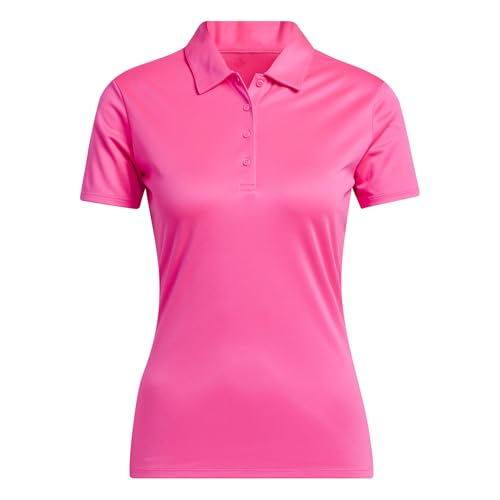
adidas Women's Solid Performance Polo
- Women's cut performance fabric
- Sweat-wicking and quick-drying
- Neat collar clears any dress code
Price on Amazon
£22.37
HUAKANG 3 Pack Golf Polos: best value multipack
Verdict: three quick-dry golf polos for the price many pay for one, ideal for stocking your wardrobe cheaply.
If you want several shirts in rotation without spending much, this three-pack is hard to beat. The quick-dry polyester wicks sweat and breathes, the collars hold their shape, and you get three colours to mix through the week. They are not as refined as a single premium polo, but for filling out a golf wardrobe on a budget they do the job round after round.
- Pros: three shirts in one buy, quick-dry breathable fabric, low cost per shirt, colour variety.
- Cons: lesser-known brand, basic finish compared with premium polos.

HUAKANG 3 Pack Golf Polos
- Three quick-dry polos in one pack
- Breathable sweat-wicking polyester
- Low cost per shirt with colour variety
Price on Amazon
£26.73
What we would skip
A few things to watch when you shop:
- Pure cotton polos for the course. They feel great in the clubhouse but soak up sweat and rain and hang heavy for the back nine. Keep cotton for casual wear and play in a technical fabric.
- No-name polos with fake RRPs. An unbranded shirt listed at "£49.99, now £12.99" is almost always worth its real price. Judge on the actual price and the volume of genuine reviews, not the imaginary saving.
- Round-neck or logo tees mistaken for polos. Most UK clubs require a collar on the course, so a collarless top can leave you turned away. Check for a proper collar before you buy.
- Tour brands bought on Amazon at a markup. If a premium pro-shop polo shows up via a third-party seller well above the golf-shop price, buy it from a specialist retailer instead.
Frequently asked questions
What is the best fabric for a golf polo?
A technical polyester or poly-blend is best, because it wicks sweat away from your skin and dries fast on warm or wet rounds. Pure cotton feels comfortable in the clubhouse but soaks up sweat and rain and stays heavy, so keep it for casual wear and play in a performance fabric.
How should a golf polo fit?
Close but not tight, with full movement across the shoulders so nothing drags at the top of your backswing. The hem should be long enough to stay tucked when you bend to read a putt. If you are between sizes, size up for comfort rather than choosing a tight gym-fit cut.
Do golf clubs require a collared polo?
Most UK clubs still ask for a collared shirt tucked into your trousers or shorts, with no round-neck tops allowed on the course. Any proper golf polo keeps you compliant. Always check the individual club's dress code before you play, as a few relax the rules on quieter days.
Are expensive golf polos worth it?
They can be if you play several times a week, as premium shirts use softer fabrics, neater tailoring and more durable collars that last. For most golfers a good mid-priced performance polo delivers the same cooling and swing freedom for far less, which is why the value picks here suit the majority of players.
How do you wash a golf polo to keep it lasting?
Wash performance polos cold on a gentle cycle and skip fabric softener, as softener clogs the wicking fibres and stops them moving sweat. Hang to dry rather than tumble drying on high heat, which protects the shape and the fabric. Cared for this way, a good technical polo stays fresh and keeps its cut for years.
What golf polos are best for hot weather?
Look for the lightest, thinnest moisture-wicking fabrics, which breathe and dry fastest in the heat. A light golf-brand shirt like the Stromberg Drift is built for warm rounds, keeping you cool when a heavier polo would feel clammy. Lighter colours also reflect more heat than dark ones on the sunniest days.
Ready to choose?
For most golfers the Under Armour Tech polo is the safe, comfortable, do-everything pick. Choose the adidas Core Performance or the HUAKANG three-pack if budget decides it, the Callaway Tournament for a premium golf feel, the Stromberg Drift for hot days, and the adidas women's polo for the best ladies' option. You can also browse the Fayrway golf polos range to see what our pros are stocking.


