
Buying Guides
Best Golf Balls for Slow Swing Speeds 2026
Fayrway Pros · 9 September 2026 · Updated 17 September 2026
Table of Contents
- Best Golf Balls for Slow Swing Speeds 2026: The Short Answer
- At a glance: the best low-compression golf balls for 2026
- What is compression, and why does it matter for a slow swing?
- How do I know if my swing is slow enough to need one?
- Feel or distance: which should you prioritise?
- What about Titleist Pro V1, Chrome Tour and the tour balls?
- Our top picks in detail
- What we would skip
- Frequently asked questions
- Ready to choose?

Best Golf Balls for Slow Swing Speeds 2026: The Short Answer
If your driver swing is under about 85 mph, a low-compression ball is the answer. The Callaway Supersoft Callaway Supersoft£24.95Buy on Amazon is the best all-rounder, the Srixon Soft Feel
 Srixon Soft Feel£16.99Buy on Amazon gives the softest feel for the money, and the Wilson Duo Soft
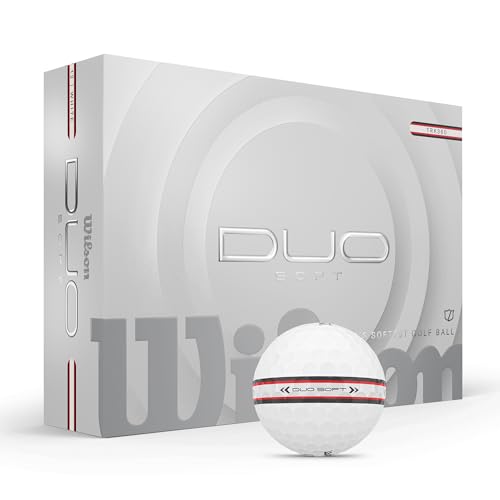 Wilson Duo Soft£22.95Buy on Amazon is the best value. All three compress properly at slower speeds for more carry.
A slower swing does not compress a firm, tour-level ball enough to release its energy, so you lose distance and get a hard, clicky feel. A low-compression ball is built to deform at gentler speeds, springing back for more carry and a softer strike. Below are the best low-compression golf balls you can buy on Amazon right now with fast delivery, grouped by the job they do best, plus honest guidance on where the premium tour balls do and do not earn their money.
At a glance: the best low-compression golf balls for 2026
| Ball | Compression | Best for | Price |
|---|---|---|---|
| Callaway Supersoft 2025 | Low (around 38) | Best overall | £24.95 |
| Srixon Soft Feel | Low (around 60) | Best soft feel | £16.99 |
| Wilson Duo Soft TRK360 | Very low (around 35) | Best value | £22.95 |
| Titleist TruFeel | Low (around 55) | Best premium soft | £24.95 |
| TaylorMade SpeedSoft | Low (around 35) | Best for distance | £23.35 |
| Srixon Soft Feel Brite | Low (around 60) | Best hi-vis | £22.95 |
Prices are pulled live from Amazon and update through the day.
What is compression, and why does it matter for a slow swing?
Compression is how much a golf ball squashes at impact. A tour ball with a high compression rating needs a fast, powerful strike to deform and rebound, which is where its distance comes from. Swing it slowly and you barely dent it, so you leave energy on the tee. A low-compression ball squashes at gentler speeds, so an unhurried swing still gets the ball working and gives you more carry with a softer, springier feel. If you want the full picture, our guide to golf ball compression explained by swing speed walks through the numbers.
How do I know if my swing is slow enough to need one?
As a rough rule, a driver swing under about 85 mph is where low compression pays off, and most club golfers who carry a driver 200 yards or less sit in that band. If you are not sure, the honest test is feel and flight: if firmer balls feel hard off the face and your shots seem to fall out of the sky, you are probably not compressing them. A launch monitor session at a fitting bay will confirm your number in minutes, but the ball is cheap enough that it is worth simply trying a low-compression dozen and comparing your carry.
Feel or distance: which should you prioritise?
For most slow-swing golfers the two go together, but there is a small trade-off. The softest balls here, like the Srixon Soft Feel and Titleist TruFeel, feel wonderfully cushioned off the putter and around the greens, which builds confidence. The distance-first low-compression balls, like the TaylorMade SpeedSoft, chase every last yard with a slightly firmer strike. If you value a soft, controlled short game, lean soft. If you want maximum carry off the tee and are less fussed about touch, lean distance. Our breakdown of soft versus firm golf balls covers this in more detail.
What about Titleist Pro V1, Chrome Tour and the tour balls?
They are superb balls, and if your swing speed climbs past 95 mph and you can spin a wedge on command, they reward you with control the balls here cannot match. The catch for a slower swinger is simple: you pay two to three times the price for high-spin, high-compression performance you are not fast enough to unlock, and many golfers actually lose distance with them. The picks below are the best-value in-stock low-compression options that suit a gentler swing, and they cost a fraction of a tour dozen. If you do want to see a premium ball or compare across brands, browse the Fayrway golf balls range to see what our pros are stocking. For a wider steer on starter-friendly balls, our guide to the best golf balls for beginners and high handicappers is a good next read.
Our top picks in detail
Callaway Supersoft: best overall low-compression
Verdict: the low-compression ball we would hand most slow swingers first. A trusted name, very low compression, and a keen price.
The Supersoft is one of the best-selling balls in the world for good reason. Its very low compression core springs back at gentle speeds for genuine carry, the cover is soft enough to feel good on and around the green, and it flies straight thanks to a low-drag aerodynamic pattern. It strikes the best all-round balance here of distance, feel and price, which is why it is the natural first choice.
- Pros: very low compression, trusted brand, straight low-drag flight, keen price.
- Cons: less greenside spin than a tour ball, softest feel is beaten by the Srixon.
More on this ball: full Callaway Supersoft review, or see how it compares in Supersoft vs Srixon Soft Feel.
Callaway Supersoft
- Very low compression core for slow swings
- Soft feel on and around the green
- Straight, low-drag flight
Price on Amazon
£24.95
Srixon Soft Feel: best soft feel
Verdict: the pick if a plush, cushioned feel off every club matters most to you.
Srixon built the Soft Feel around exactly that, a genuinely soft strike that feels gentle off the driver and buttery on the putter. The reactive cover and low compression core help slower swings launch it high and hold a line, and it is priced right alongside the other soft balls here. If firmer balls have ever felt harsh to you, this is the one to try.
- Pros: outstanding soft feel, high launch for slow swings, trusted brand, fair price.
- Cons: slightly firmer core than the very lowest here, white only in this pack.
More on this ball: full Srixon Soft Feel review, or see how it compares in Supersoft vs Srixon Soft Feel.
Srixon Soft Feel
- Genuinely soft strike off every club
- Reactive cover for high launch
- Holds a line for slower swings
Price on Amazon
£16.99
Wilson Duo Soft: best value
Verdict: the softest ball on the market at a price that is hard to argue with, ideal for the every-week club golfer.
Wilson has long chased the lowest compression figure of any ball, and the Duo Soft TRK360 delivers it with a core that squashes at even very gentle speeds. The TRK360 aerodynamics keep it flying straight, and for the money you get true low-compression performance without paying a brand premium. If cost decides it, this is the smart buy.
- Pros: extremely low compression, excellent value, straight TRK360 flight.
- Cons: less short-game spin, cover marks a touch easier than pricier balls.
More on this ball: full Wilson Duo Soft review.
Wilson Duo Soft
- One of the lowest compressions available
- Straight TRK360 aerodynamics
- True low-compression feel for less
Price on Amazon
£22.95
Titleist TruFeel: best premium soft
Verdict: the Titleist name and a genuinely soft, controlled ball, without tour-ball pricing.
The TruFeel is Titleist's softest ball, giving slower swingers a low-compression core wrapped in the brand's quality control and consistency. It feels soft off the face, flies a penetrating flight, and gives a little more greenside bite than most balls at this level. If you want a recognised premium badge but a firm ball would waste your swing, this is the sensible step up.
- Pros: Titleist consistency, soft controlled feel, decent greenside bite.
- Cons: priciest of the soft options here, not as low-compression as the Duo Soft.
More on this ball: full Titleist TruFeel review.

Titleist TruFeel
- Titleist's softest, lowest-compression ball
- Soft, controlled feel off the face
- Trusted quality and consistency
Price on Amazon
£24.95
TaylorMade SpeedSoft: best for distance on a slow swing
Verdict: the low-compression ball to pick if you want every possible yard off the tee.
SpeedSoft pairs a very low compression core with a fast, distance-focused construction, so a gentle swing still gets it moving while the aerodynamics squeeze out extra carry. It feels a fraction firmer than the softest balls here, which is the trade for the added speed. If your priority is length rather than greenside touch, this is the standout.
- Pros: very low compression with a distance focus, strong carry, trusted brand.
- Cons: a touch firmer than the softest picks, less short-game spin.
More on this ball: full TaylorMade SpeedSoft review.

TaylorMade SpeedSoft
- Low compression built for speed
- Extra carry off the tee
- Fast, distance-focused core
Price on Amazon
£23.35
Srixon Soft Feel Brite: best hi-vis coloured
Verdict: all the low-compression feel of the Soft Feel, in a colour you can actually find in the rough.
The Brite version takes the same soft, slow-swing-friendly core as the standard Soft Feel and wraps it in a high-visibility finish that stands out against grass, in low autumn light and on overcast British days. If you spend half your round hunting for a white ball, this keeps the feel and cuts the searching. Same performance, easier to track.
- Pros: easy to spot in rough and dull light, same soft low-compression core, fair price.
- Cons: bold colour is not to everyone's taste, feel is soft rather than the very softest.
More on this ball: full Srixon Soft Feel Brite review.

Srixon Soft Feel Brite
- High-visibility finish, easy to track
- Same soft low-compression core
- Great in dull British light
Price on Amazon
£22.95
What we would skip
A few things to watch when you shop:
- Tour balls bought for a slow swing. A high-compression Pro V1 or Chrome Tour needs speed you may not have. You pay a premium for spin and control you cannot access, and can lose distance. Buy compression to suit your swing, not the badge.
- No-name "ultra soft" balls with fake RRPs. A dozen listed at "was £34.99, now £8.99" is an £8.99 dozen. Judge on the real price and the volume of genuine reviews, not the imaginary saving.
- Lake and recycled balls as your gamer. Grade A lake balls are fine for the practice range, but water-logged covers and unknown history make them a gamble for real rounds. A fresh low-compression dozen costs little more.
- Distance balls that are firm, not low-compression. Some "distance" two-piece balls are hard and built for fast swings. Check the compression is genuinely low before you buy for a gentle swing.
Want it narrowed to one ball? Take our free 90-second Ball Finder quiz: six questions, and it names your match from the sixteen balls we rate.
Frequently asked questions
What swing speed needs a low-compression golf ball?
As a rough guide, a driver swing speed under about 85 mph benefits most from a low-compression ball. That covers most club golfers who carry a driver 200 yards or less. A slower swing cannot fully compress a firm tour ball, so a softer core that squashes at gentler speeds returns more carry and a better feel.
Do low-compression golf balls actually add distance?
For a slower swing, yes. A low-compression core deforms and springs back at gentler speeds, converting more of your swing energy into ball speed. A faster player would not see the same gain, but if you are under about 85 mph a low-compression ball typically carries further than a firm, high-compression tour ball.
Are soft golf balls the same as low-compression balls?
Usually, but not always. Most soft-feeling balls are low-compression, which is why they feel gentle off the face. However, feel also depends on the cover material, so check the stated compression rather than relying on the word soft. All the balls picked here are genuinely low-compression as well as soft.
Which is the best low-compression ball for the money?
The Wilson Duo Soft is the value standout, offering one of the lowest compression ratings available at a keen price. The Callaway Supersoft is the best all-rounder if you want a balance of distance, feel and a trusted brand. Both cost a fraction of a tour dozen and suit slower swings well.
Will a low-compression ball hurt my short game?
A little, compared with a tour ball. Low-compression balls spin less around the greens, so you get slightly less bite on pitches and chips. For most slow-swing golfers that trade is worth the extra carry and softer feel, and balls like the Titleist TruFeel still offer respectable greenside control.
Do coloured golf balls perform differently to white ones?
No, the colour does not change how the ball flies or feels. A hi-vis ball like the Srixon Soft Feel Brite uses the same core and cover as its white version, just with a coloured finish. The only real benefit is visibility, which helps in rough, dull light and on overcast days.
Ready to choose?
For most slow swingers the Callaway Supersoft is the safe, do-everything pick. Choose the Srixon Soft Feel or Titleist TruFeel if soft feel matters most, the Wilson Duo Soft if value decides it, the TaylorMade SpeedSoft for maximum distance, and the Srixon Soft Feel Brite if you want a ball you can actually spot. You can also browse the Fayrway golf balls range to see what our pros are stocking.


