
Care
How to Store Your Golf Clubs and Gear Over Winter
Fayrway Pros · 15 September 2026

To store golf clubs over winter, clean and fully dry every club, treat any rust spots, then keep the set indoors somewhere dry and temperature-stable, upright in the bag with headcovers on. Avoid an unheated garage or shed, empty the bag of food and batteries, and give the grips a wipe. Do this once and your clubs come out in spring ready to play.
British winters are hard on golf equipment: damp, salty on coastal courses, and cold enough to swing between freezing and mild for months. Left in a wet bag in the shed, steel shafts and clubheads pit with rust and grips go slick. A proper end-of-season routine takes an hour and protects hundreds of pounds of kit. Here is exactly how to do it.
Why does winter storage matter for golf clubs?
Moisture and temperature swings are what damage clubs, not the cold itself. Trapped damp in a bag left in an unheated garage causes surface rust on wedges and irons, corrodes ferrules, and lets grips harden and crack. Leather and synthetic grips dry out faster in freezing air, and any water sitting in a bag pocket can mildew the lining.
The fix is simple: remove the moisture, then store somewhere the temperature stays reasonably steady. Clubs kept clean, dry and indoors over winter last for years. Clubs abandoned wet in a shed can need new grips and a lot of scrubbing come March.
How do I clean my clubs before storing them?
Clean clubs store better because there is nothing left on them to hold moisture. Work through the set in order:
- Fill a bucket with warm, not hot, water and a little washing-up liquid.
- Soak the irons and wedges heads only for a couple of minutes to loosen dirt. Never soak the ferrules or shafts for long, and keep water away from graphite shaft joints.
- Scrub the grooves with a soft brush or an old toothbrush until each groove runs clear.
- Wipe the shafts down with a damp cloth, then dry every club completely with a towel.
- Clean woods and driver heads with a damp cloth only, no soaking, and dry them straight away.
Drying is the step people skip and the one that matters most. A good microfibre towel pulls water out of the grooves and off the shafts far better than a tea towel, and it lives on the bag all season for on-course cleaning too.
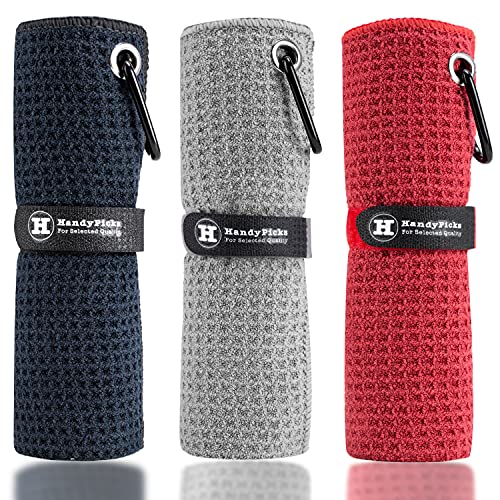
Handy Picks Microfiber Golf Towel
- Large 40 x 40cm absorbent microfibre
- Carabiner clip for the bag
- Dries grooves and shafts quickly
Price on Amazon
£9.99
How do I deal with rust before winter?
Treat rust the moment you spot it, because it spreads under storage. Small orange spots on iron faces, wedge grooves or the hosel are common on used clubs and easy to remove. A golf-specific rust remover and polish lifts light surface rust without scratching the finish, then leaves a thin protective layer that slows it coming back over the winter months.
Apply a little paste with the sponge or brush, work it into the affected area, then buff it off with a clean cloth and dry fully. For chrome irons and wedges this restores the face and protects it. Do not use household wire wool or harsh abrasives, which strip the plating and make rust worse.
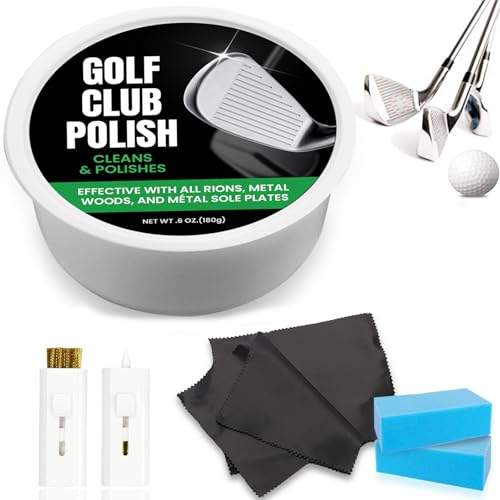
AMRTA Golf Club Cleaner Kit
- Rust remover and polish with brush
- Safe on chrome irons and wedges
- Leaves a protective finish for storage
Price on Amazon
£11.69
Where is the best place to store clubs over winter?
Indoors, somewhere dry with a fairly stable temperature: a hallway cupboard, under the stairs, a spare room or a heated utility room. The single most common mistake is leaving the bag in an unheated garage or garden shed, where damp air and freeze-thaw cycles do the damage described above.
Store the set upright in the bag so the shafts stay straight, with headcovers on the woods and driver to protect the crowns. Keep the bag away from radiators and direct heat, which can dry grips out just as badly as the cold. If space is tight, a slim travel or storage bag standing in a corner keeps everything together and dust-free.
What should I do to the bag itself?
Empty it completely. Old snacks, tees and pencils attract damp and pests, and forgotten batteries in a rangefinder or GPS can leak over months of storage. Turn every pocket out, brush away grit, and leave the pockets open to air for a day if the bag got wet late in the season.
Wipe the base and legs of a stand bag, check the strap clips still work, and give the grips a final wipe with a damp cloth so no sweat or sun cream is left to harden them. A quick pass now saves a sticky, gritty bag in spring.
Anything else worth doing before spring?
A few small jobs pay off. Note any grips that felt slick this season and book a regrip for late winter so the clubs are ready before your first round. Check spikes on your shoes and store them dry and stuffed with paper to hold their shape. If you want to keep playing through the cold, a set of dedicated cold-weather balls compresses better in low temperatures, and a proper pair of winter gloves keeps your hands warm enough to actually swing.
For the kit side of a winter break, see our guides to the best golf balls for winter and cold weather and the best winter golf gloves for 2026, both curated by pros.
Frequently asked questions
Can I store my golf clubs in the garage over winter?
It is best avoided. An unheated garage traps damp and swings between freezing and mild, which causes surface rust on irons and dries out grips. If the garage is your only option, keep the clubs clean and bone dry, add a moisture absorber, and stand the bag off a cold concrete floor.
Do golf clubs rust if left in a cold place?
Cold alone does not cause rust, moisture does. The problem is that cold, damp spaces like sheds and garages hold water in the air and in a wet bag, which then pits steel shafts, iron faces and wedge grooves. Clean, dry clubs stored indoors will not rust over winter.
Should I take my clubs out of the bag to store them?
No, leaving them in the bag is fine and protects the shafts. Store the bag upright so the shafts stay straight, keep headcovers on the woods and driver, and make sure both clubs and bag are completely dry first. Just empty the pockets of food, tees and batteries.
How do I stop grips going hard over winter?
Wipe grips clean with a damp cloth before storage to remove sweat and oils, then store the clubs indoors away from radiators and direct heat. Heat and very cold air both dry grips out. If a grip already feels slick or hard, plan a regrip for late winter so it is ready for spring.
Is it worth cleaning clubs before winter storage?
Yes, it is the most important step. Dirt and moisture left in the grooves and on the shafts is exactly what causes rust and mildew during months of storage. Cleaning and fully drying every club, then treating any rust spots, means the set comes out in spring ready to play.
How should I store my golf shoes over winter?
Clean off mud, let them dry fully at room temperature away from direct heat, then stuff them with newspaper to hold their shape and absorb moisture. Store them somewhere dry and check the spikes, replacing any that are worn so you are ready for the first round of spring.
Winter storage is not complicated, it is just easy to put off. Clean and dry the clubs, treat any rust, empty the bag, and keep the set indoors somewhere dry and stable. Do it on the day of your last round while the kit is already out, and future you will thank you when spring arrives and everything is ready to go.


