
Comparisons
Castle vs Wooden Tees: Does It Actually Matter?
Fayrway Pros · 27 August 2026
Table of Contents

For most golfers it comes down to consistency versus tradition. Castle tees have a stepped shaft that sets the ball at the same height every time, so they suit anyone chasing a repeatable tee shot with driver. Wooden tees flex and snap, feel classic and cost next to nothing, so they suit purists and anyone who tees up all over the bag. If you want dependable height, start with the FINGER TEN castle tees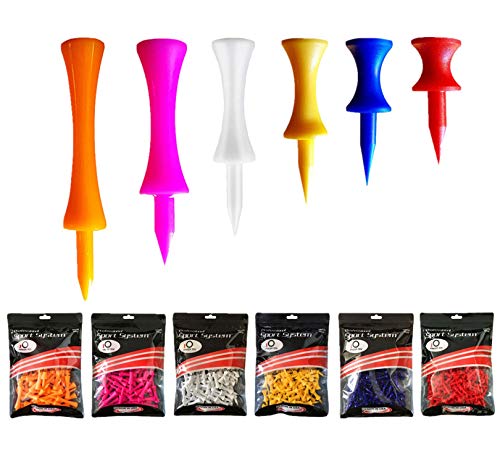 FINGER TEN castle tees£8.99Buy on Amazon. If you want the traditional feel, the Pride wooden tees
 Pride wooden tees£6.51Buy on Amazon are the safe pick.
At a glance: castle vs wooden tees
| Attribute | Castle tees | Wooden tees |
|---|---|---|
| Height consistency | High: stepped shaft sets a fixed depth | Variable: depends how far you push it in |
| Durability | Plastic ones last many rounds, bamboo less so | Snap and splinter, treated as consumable |
| Material | Plastic or bamboo | Hardwood or bamboo |
| Cost per round | Higher upfront, lower over time | Very low, buy in bulk |
| Best for | Driver height repeatability | All-round use and traditionalists |
How do castle and wooden tees actually differ?
The difference is the shaft. A castle tee has stepped ridges up the stem, so it stops at the same depth in firm ground and holds the ball at a set height every time. A wooden tee is a smooth peg you push in by feel, which means your tee height changes round to round and shot to shot. Castle tees also tend to be plastic or bamboo and survive more hits, while wooden tees are cheap, snap on a mishit and get replaced without a second thought.
When should you choose castle tees?
Choose castle tees if height consistency matters to you, which for most golfers means the driver. Setting the ball at the same height each swing removes one variable and makes it easier to catch drives on the up. They are also the better value over a season because the plastic versions keep working long after a wooden tee would have splintered. If you like the eco angle, bamboo castle tees give you the same stepped design in a biodegradable material.
When should you choose wooden tees?
Choose wooden tees if you value tradition, low cost and the freedom to set any height you like. They flex and snap cleanly, which some golfers prefer over a hard plastic peg that can flick the ball offline. Because they are cheap and fully biodegradable, they are the easy choice for irons and hybrids off the tee, where you push the peg low and do not need a fixed height. Buy them in bulk and never think about tees again.
Our picks
FINGER TEN Castle Step Down Tees
The castle tee we would hand most golfers. Mixed sizes, a recognisable brand and durable plastic that holds a fixed height round after round.
FINGER TEN Castle Step Down Tees
- Stepped shaft sets a fixed height
- Mixed sizes in a 100 pack
- Durable plastic lasts many rounds
Price on Amazon
£8.99
Castle Golf Tees Bamboo
The eco castle option. The same stepped, consistent-height design in biodegradable bamboo, in multiple colours and sizes.

Castle Golf Tees Bamboo
- Stepped design for consistent height
- Biodegradable bamboo
- Multiple colours and sizes
Price on Amazon
£4.99
Pride Golf Tee 100 Pack
The wooden tee we would point traditionalists to. Pride is a trusted name and this bag of 100 will last most golfers a full season.
Pride Golf Tee 100 Pack
- Trusted Pride brand
- Bag of 100 hardwood tees
- Classic feel and clean snap
Price on Amazon
£6.51
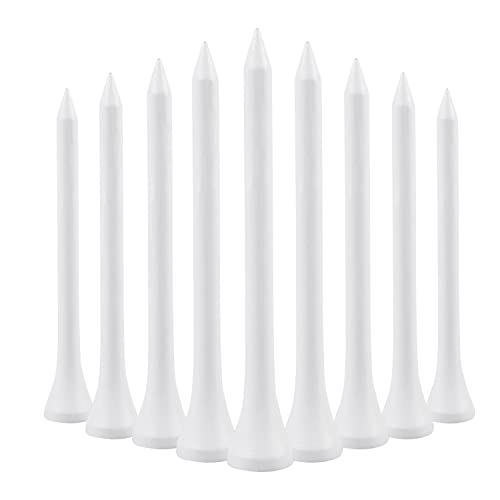
70mm White Wooden Golf Tees
The value wooden pick. A big XL pack of long 70mm biodegradable tees, ideal for driver height when you want tradition on a budget.
70mm White Wooden Golf Tees
- Long 70mm for driver height
- Biodegradable wood
- Bulk pack at a keen price
Price on Amazon
£4.99
For the full rundown across every type, including plastic, see our best golf tees for 2026 guide.
Frequently asked questions
Are castle tees legal in golf?
Yes. Castle tees are fully within the Rules of Golf as long as they are no longer than four inches and do not indicate line of play or influence ball movement. The stepped shaft simply helps you set a consistent height, which is entirely legal, so you can use them in competition without any issue.
Do castle tees really improve consistency?
They can. By setting the ball at the same height every swing, castle tees remove one variable from your driver setup, which helps you strike the ball on the up more reliably. They will not fix a swing fault, but for golfers who tee up too high or too low from shot to shot, the fixed height is a genuine, cheap gain.
Which lasts longer, castle or wooden tees?
Plastic castle tees last far longer, often many rounds each, because they flex rather than snap. Wooden tees are treated as consumables since they splinter on mishits and firm ground. Bamboo castle tees sit in between: more durable than softwood but designed to biodegrade, so you replace them more often than plastic.
What height tee should I use for a driver?
For a driver, around half the ball should sit above the crown of the clubface at address, which usually means a longer tee of about 70mm pushed most of the way in. Castle tees make this repeatable by stopping at a set depth. Irons and hybrids need a much lower tee, barely above the ground.
Are wooden tees more environmentally friendly?
Wooden and bamboo tees are biodegradable, so they break down if left on the course, which plastic castle tees do not. If the eco angle matters to you, choose wooden tees or bamboo castle tees to get the consistency benefit in a material that will not linger in the ground for years.
Can you reuse castle tees?
Yes, plastic castle tees are designed to be reused round after round because they resist snapping. You will still lose the odd one on a big drive, so buy them in a pack, but a single plastic castle tee often survives dozens of tee shots, which makes them better value than they first look.
Castle tees win on repeatable height, wooden tees win on tradition and cost, and plenty of golfers keep both in the bag. To compare every option side by side, read our best golf tees for 2026 guide.


