
Buying Guides
Summer Golf Shoes for UK Heat and Rain
Sandy Grewal · 3 November 2026
Table of Contents

The useful summer golf shoe matches a breathable or lightly protective upper to the heat and a spiked or spikeless sole to the turf, because a UK summer round is often warm and still damp. Maximum mesh is the wrong default for Britain, where dew, showers and firm fairways can arrive in the same week.
Summer Golf Shoes for the Round in Front of You
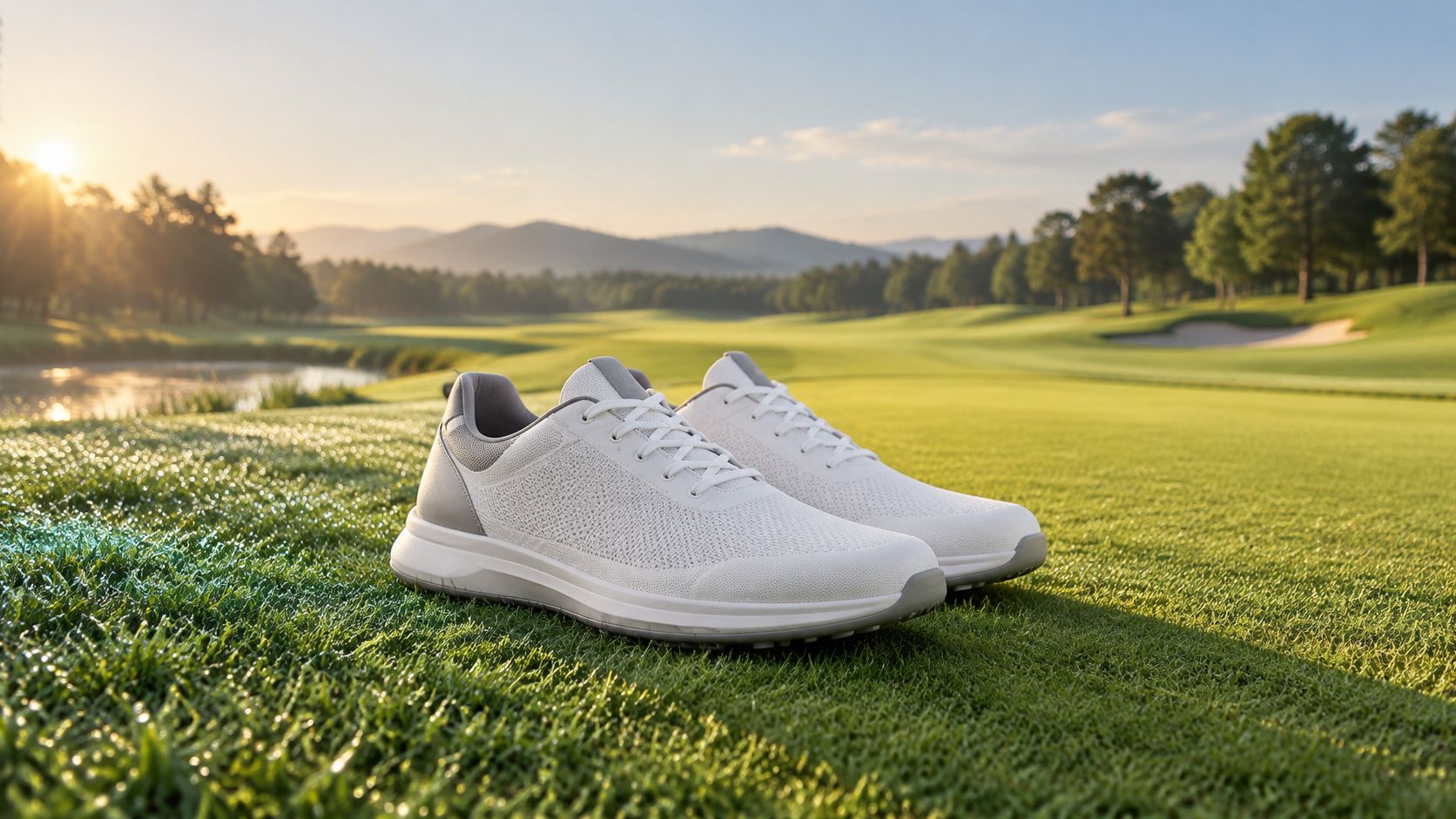
Fayrway Pros treats summer golf shoes as a weather decision, not a single hot weather trainer. Firm, dry ground rewards a light, breathable spikeless shoe, while dew, slopes or a wet parkland fairway reward grip and light water resistance more than maximum mesh.
Which Summer Golf Shoe for Which UK Round
| Playing condition | Upper to choose | Sole to choose | Why it wins |
|---|---|---|---|
| Dry firm links or parkland | Mesh or engineered knit with light water resistance | Spikeless moulded lugs | Airflow on firm turf without giving up golf specific grip |
| Dewy early parkland | Water resistant synthetic or coated knit | Spikeless with deeper multidirectional lugs | Damp grass at the first tee without a hot waterproof boot |
| Wet fairways, poor drainage or sidehill lies | Waterproof membrane or sealed construction | Soft spikes | The lead foot needs rotational bite when the turf is soft |
| A week of sun then showers | Breathable upper with light protection | Trusted spikeless, with soft spikes if you walk a lot | One maximally airy shoe will soak on the wet day |
| 18 holes on foot in real heat | Lightweight knit or mesh | Flexible spikeless | Heat and walking fatigue beat maximum traction |
| Exposed Scottish links or Northern Ireland | Shower resistant upper | Stable heel and stronger tread | Those regions took far more summer 2025 rain than the UK average |
Dry links and firm inland fairways are the easy case. A mesh or knit upper with moulded lugs keeps feet cooler and still gives a golf tread, rather than a running pattern.
An early parkland tee is different. Dew sits heavy on the first three holes, so a water resistant synthetic with deeper lugs handles damp grass without forcing a winter boot onto a warm back nine.
Wet fairways, poor drainage and sidehill lies justify soft spikes. The point isn't aggression for its own sake, it's stopping the lead foot slipping when the turf gives way.
A mixed week exposes the flaw in buying the most ventilated shoe in the shop. Either accept a compromise upper with light protection or keep a second pair for the wet day. A long walking 18 in real heat punishes a heavy waterproof build, so flexible spikeless wins when fatigue is the bigger risk.
The Met Office summer 2025 statistics page recorded 212.1 mm of UK rainfall, 84% of the long-term seasonal average, but Scotland received 314.8 mm and Northern Ireland 250.6 mm. Region changes the right answer more than the calendar does.
Pick the row that matches the usual tee time first, then check material, sole and fit against that row.
Sore backs and tired feet also shape a walking round, and the Aspen Falls Wellness golf care guide covers body care for golfers beyond footwear. For the wettest forecast, outerwear matters alongside shoes, and waterproof golf apparel belongs in the same bag check.
What Makes a Summer Golf Shoe Breathable
Breathability means heat and moisture move out of the shoe. It doesn't mean an open, holey upper that lets the first shower straight in, and a label saying summer proves nothing about either direction.
Open Mesh and Engineered Knit
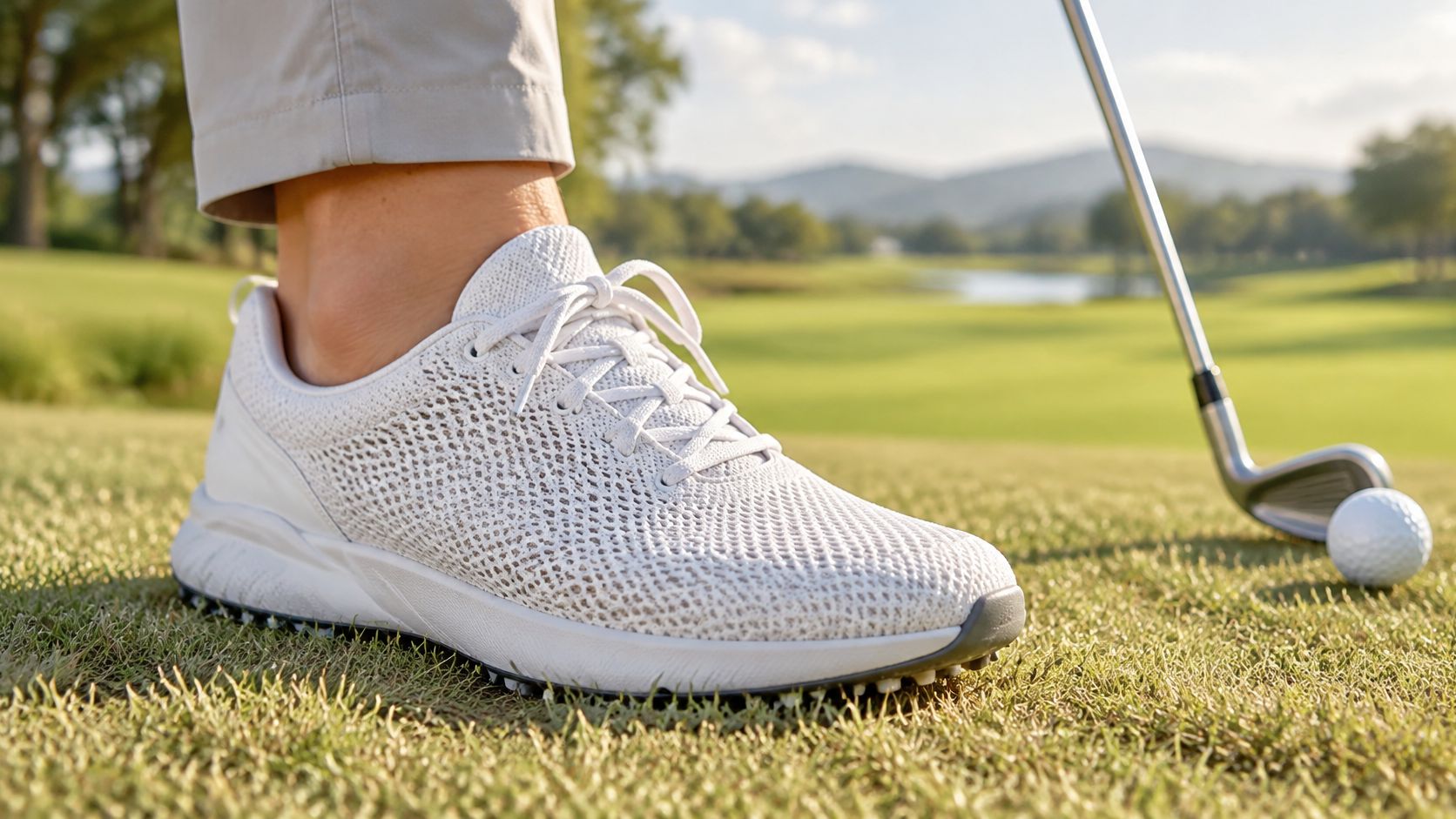
Open mesh and engineered knit feel coolest on a still, sunny parkland walk. A knit shoe also dries fastest in the car after a round, which matters for golfers playing twice in a weekend.
The trade is obvious on saturated grass. Once water pushes through an open knit, the sock soaks, skin softens and friction rises. Cool and dry beats cool and wet every time over 18 holes.
Coated Knit and Water Resistant Synthetics
Coated knit and water resistant synthetics sit in the middle. A coating shrugs off dew and a short shower, then holds a bit more heat by the 14th hole. For most southern and Midlands parkland golf, that's the sensible compromise.
Water resistant means a material copes with damp grass and light rain for a while. It isn't sealed, and prolonged rain or standing water will get through at the seams and tongue eventually.
Waterproof Membranes and Leather
A waterproof membrane or sealed construction keeps standing water out for longer. It also traps heat, so it belongs on exposed or wet courses rather than every July tee time.
Thin, unlined leather can work in summer and moulds nicely to the foot. Leather dries slower than knit after a soaking, though, and a heavy lined leather shoe cooks on a still afternoon.
- Lining: A thick lining defeats a light outer, so check what's inside the mesh before buying.
- Tongue padding: Heavy padding adds warmth and holds water once wet.
- Gusset: A gusseted tongue stops water and grit entering from above, which a pretty mesh panel can't do alone.
Practical rule: Treat the upper like a jacket choice and the sole like tread on a hillside, because a linen shirt is lovely until the rain starts.
Decide the upper from the forecast and the first three holes, not from the word summer on the box. Dew at 7am and heat at midday is the normal British test, and the upper has to pass both parts.
Spiked or Spikeless on British Turf
Spikeless moulded lugs are the default for firm and variable summer golf because they walk like a trainer and are kind to greens. Soft spikes are the stability option when the lead foot must resist rotation on damp or sloping turf. In Britain the deciding factor is weather management: early dew, a wet slope after overnight rain, or a baked links fairway can favour different soles in the same week.
Metal spikes explain why the modern choice looks this way. Metal chewed putting surfaces, so clubs moved away from it, and today's shoes use plastic soft spikes or moulded rubber instead. The R&A is the governing body readers should name for rules context, while the host club sets local spike policy, so acceptance should be checked rather than assumed.
Soft Spikes Against Spikeless Soles
| Question | Soft spikes | Spikeless lugs |
|---|---|---|
| Best summer ground | Wet, soft, sloping or poorly drained | Firm, dry or changeable turf |
| Grip character | Replaceable or fixed cleats bite and resist rotation | Moulded rubber lugs, less bite than spikes on wet grass |
| Flat trainer comparison | Clearly more traction than a smooth sole | A golf lug pattern still beats a flat sole, but less so when the turf is slick |
| Walking 18 holes | More planted and often heavier | Lighter and closer to an everyday shoe |
| Greens and club rules | Soft spikes are widely accepted. Metal spikes are often restricted | Usually welcome and kinder to surfaces |
| What wears out | Spikes can be replaced when they polish smooth | The lugs wear with the sole and cannot be refreshed |
| Fayrway Pros default | Changeable, wet or hilly rounds | Most dry to mixed UK summer rounds |
Traction numbers should warn readers off flat soles rather than rank spiked designs by a single score. The University of Chichester biomechanical assessment measured whole-foot limiting friction of 0.88 for a flat-soled shoe versus 1.00 to 1.02 for traditional and alternative spiked designs on grass. That same assessment cautioned that mechanical traction rankings did not fully predict golf swing performance.
A peer-reviewed force plate study of 18 golfers found the lead foot generated greater maximum vertical force and torque than the trail foot, and found no universal performance advantage for one outsole type across every force measure. Maximum traction therefore does not automatically improve swing mechanics.
A stable heel counter and a forefoot that doesn't twist matter as much as aggressive studs.
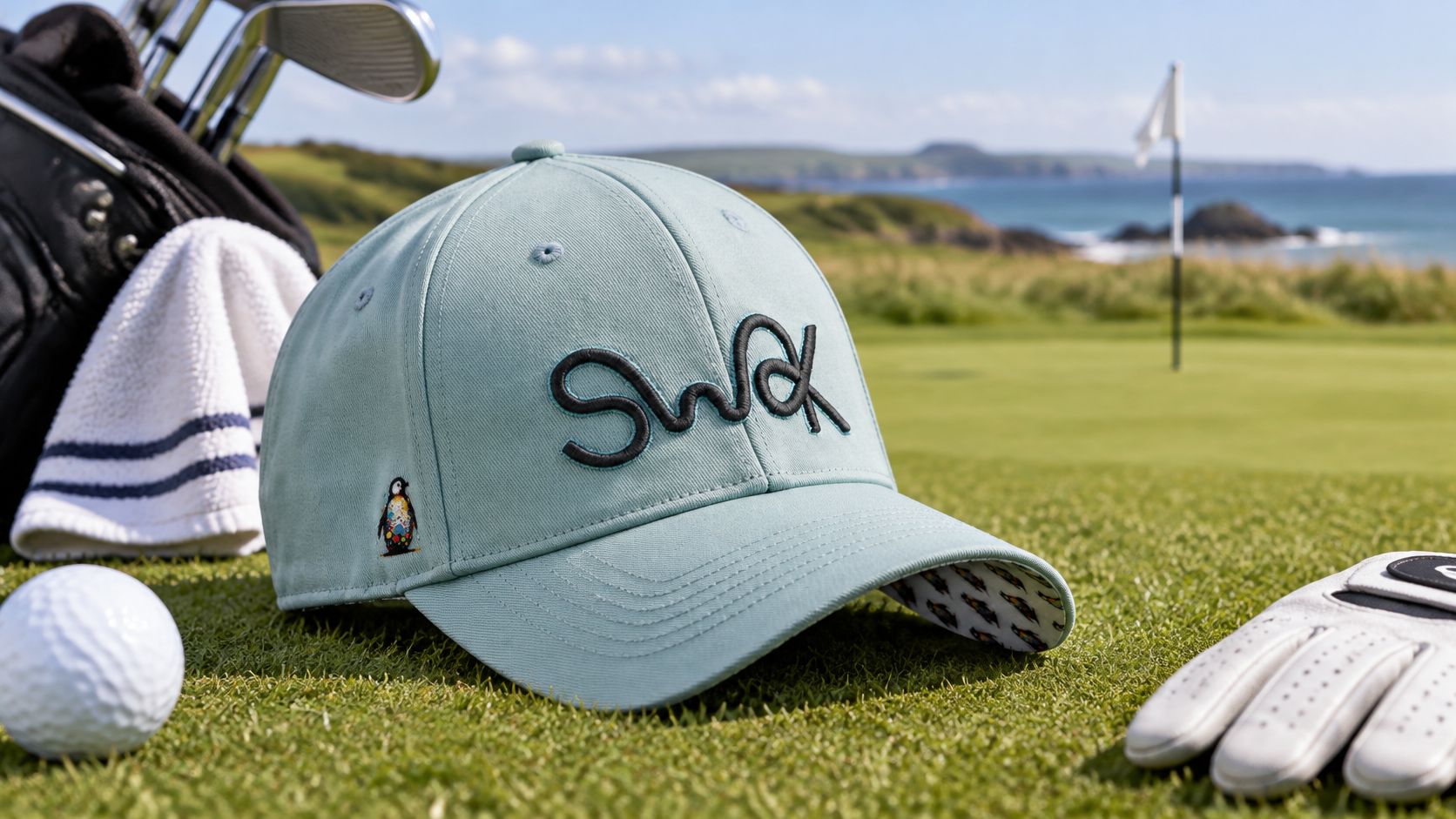
Choose from the ground you play. Golfers who already know bite is the priority can compare spiked golf shoes, while golfers chasing a lighter walk can compare spikeless golf shoes. Sun protection is a separate job, and the SWAK Cotton Golf Hat - Breathable Lightweight Adjustable Cap is a lightweight adjustable cap for long sunny rounds.
Fit Ventilation and the Socks Underneath
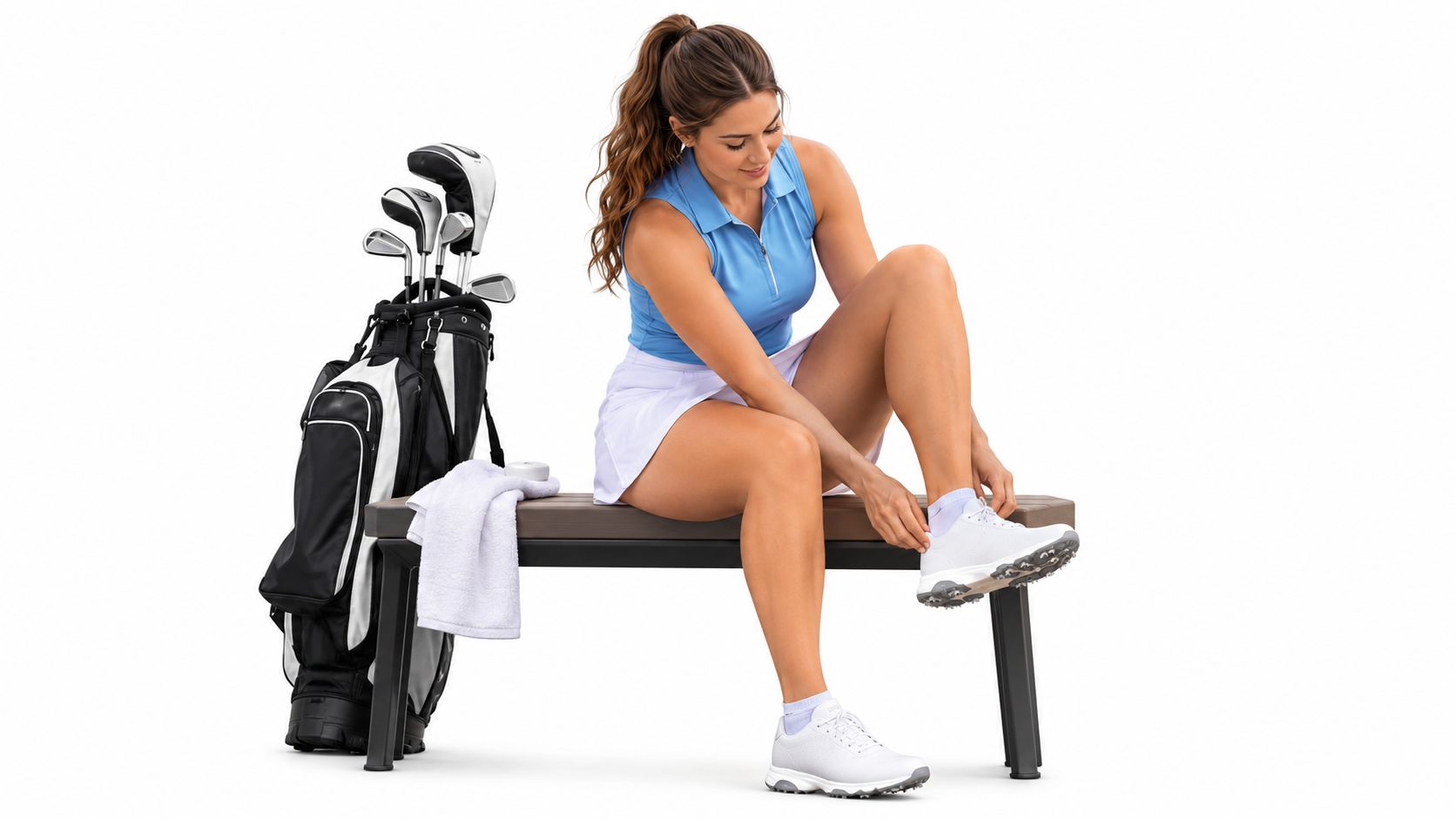
Fit is a performance part, not a comfort extra. An airy shoe that fits loose lets the foot slide inside, and that's how a hot round produces a blister even when the sole grips the turf perfectly.
A Fitting Routine That Works in Heat
- Fit late in the day: Feet swell in heat, so a morning shop fit can feel tight by the turn.
- Wear playing socks: Test the shoe in the exact socks used on course, not thin shop socks.
- Check toe room: Leave about a thumb width at the toe without the heel lifting on a walk.
- Snug the instep: Laces or a dial should hold the midfoot firmly without crushing the toes.
Width matters more in summer than in winter. A narrow shoe on a swelling foot beats the skin with every step, while a wide shoe on a loose lace lets the heel slip and rub. Closure choice changes that hold, and the BOA versus laced golf shoes guide compares the two systems directly.
Socks, Heel Hold and Breaking In
A thin moisture wicking golf sock beats a thick cotton sock every time. Cotton holds sweat against the skin and undoes the point of a mesh upper, while a technical sock moves moisture away and reduces friction at the heel and toes.
Fast swingers should prioritise a secure heel counter and lateral hold, because the lead foot is loaded hard near impact. A soft, collapsing heel lets the foot roll at exactly the wrong moment.
Break new shoes in with a nine hole walk before a competition round. If a hotspot appears, change the sock and lacing first before blaming the sole, because most early rubs come from movement inside the shoe rather than the tread.
After 18 holes the foot should feel warm, not burned, and the heel tab shouldn't have rubbed a raw patch. A shoe that fails that test won't improve in August heat.
How Summer Golf Shoes Should Look on the Course
Styling is about course manners more than fashion. A clean spikeless shoe in white, navy, sand or a quiet leather tone works on most parkland and links clubs with a polo and well-fitting shorts or trousers.
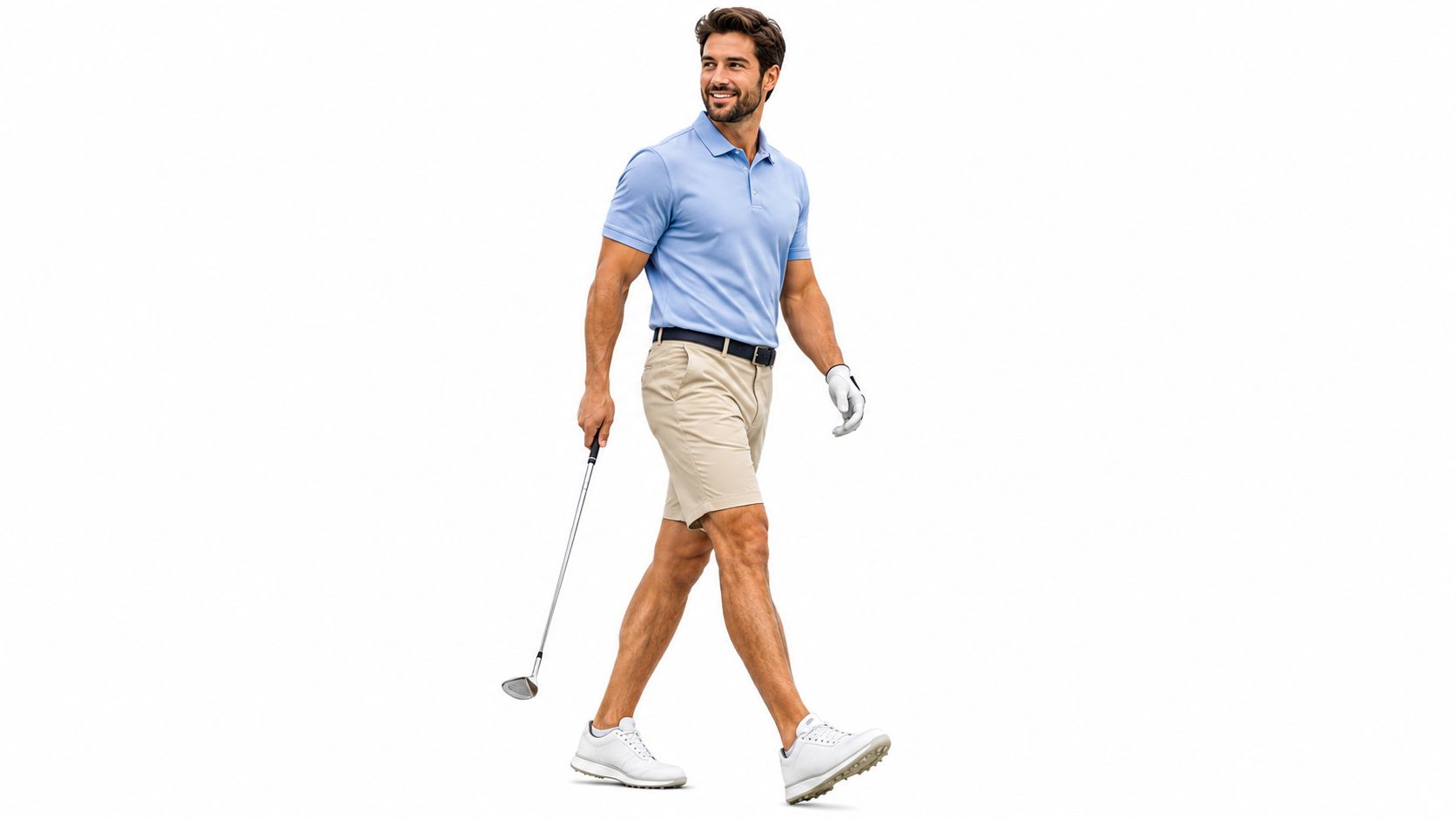
Loud patterns and trainer soles that look like road running shoes make traditional clubs uncomfortable, even when the tread itself is legal. At stricter venues the silhouette matters as much as the grip underneath.
Colour earns its keep on British turf as well. A pure white shoe picks up grass and mud marks on a dewy first tee, so off-white or sand hides the evidence when the morning is still wet underfoot.
Matching Shoe, Clothing and Club Expectations
Match the shoe to the bottom half. A light shoe suits light shorts, a darker shoe suits navy or charcoal trousers, and a heavy winter brogue looks wrong with summer shorts. Plan the outfit together: choose golf polos and golf trousers and shorts with the shoe rather than after it.
Sock rules deserve a check with the club rather than an assumption. Some clubs expect a visible golf sock and others allow ankle or no-show socks, so the noticeboard or pro shop gives the answer for that course.
Women and men can follow the same styling rules, because the difference sits in the build. Women's versions typically come on a narrower last with a lower-volume heel, which changes fit far more than the colour options on the shelf. Fit still outranks colour either way.
A breathable cotton cap handles sun that a shoe cannot, and a proper glove matters more for grip in sweaty hands than a novelty colourway. Both deserve the same club check, since dress expectations differ from course to course.
The right shoe disappears during a round, while the wrong one fights you on every green.
Choose the Shoe for Your Next Hot Round
Buy for the wettest part of the round. In Britain that is usually the first hour, when dew soaks the grass even in a dry week, so a shoe chosen for a scorching afternoon spends most mornings waterlogged.
The Decisions That Actually Matter
- Fit late in the day: Feet swell by evening, so try shoes in playing socks at that hour and check toe room, heel hold and width together.
- Test a planted swing: Walk the shop floor and make a slow swing with the lead foot planted. Heel lift or forefoot twist points to the wrong last, and no lacing pattern will fix it.
- Back the walker: Take the pair that stays comfortable for 18 holes over a stiffer shoe that wins a traction argument on paper.
A Midlands parkland round shows the order working. A 7am tee time means wet grass through the opening holes, so a water resistant upper earns its place over open mesh that soaks through by the second green. Flat walking puts little demand on spikes, so moulded lugs grip well enough and spare the clubhouse floor. By midday the turf has dried and a full membrane would only be holding heat, which is why the waterproof pair stays home unless the forecast threatens standing water.
Golfers building a shortlist before a shop visit can shop shoes for the course, then run each candidate through the fit and swing checks above wherever the browsing started.
Keep care short: knock dried mud off after the round, keep shoes out of a hot car boot, stuff them to hold their shape and replace polished spikes before they skate. Smooth spikeless lugs can't be refreshed, so once grip goes the pair is done. A membrane shoe should never see a tumble dryer, because heat is rough on sealed construction and adhesives.
Final check: If the shoe only makes sense on the driest day of the year, it isn't a British summer shoe.
Frequently asked questions
Can Ordinary Trainers Be Worn for Golf
Only if the club allows them and the sole carries a genuine golf lug pattern. A flat running sole is the design that slips on grass, so a smooth trainer fails on grip before style even enters the argument.
Do Waterproof Shoes Make Sense in July
Yes, for a wet forecast, dew soaked parkland or an exposed coastal round. No as a default on a dry inland course, because a membrane holds heat across a long walk.
How Long Should a Pair Last
A regular walker playing most weekends should expect useful tread to fade within a season or two. Retirement is due when lugs polish smooth or the heel counter collapses, not when the colour fades.
Do the Rules Change for Women, Juniors and Wider Feet
The rules stay the same, but the last, width and closure must match the foot. A junior shouldn't be put in an adult shoe to grow into, because heel slip causes the same blisters at any age.
What Happens if a Club Is Unsure About Spikes
Ask the pro shop before the round. If the rule is unclear, choose spikeless, because moulded lugs are the safer option for greens, clubhouse floors and mixed company.
Fayrway stocks golf footwear, apparel and equipment curated by pros for British links and parkland conditions, with honest guidance on which sole and upper suit each type of round. Browse the current ranges and Journal advice at Fayrway before the next hot tee time, and pick the pair that matches the forecast rather than the label.


