
Comparisons
Cavity Back vs Blade Irons: Which Should You Play?
Fayrway Pros · 28 August 2026
Table of Contents

For almost every club golfer the answer is cavity back irons. They put the weight around the edges of the head, so off-centre strikes still fly straight and far, which is what most of us hit most of the time. A forgiving set like the PGM cavity back set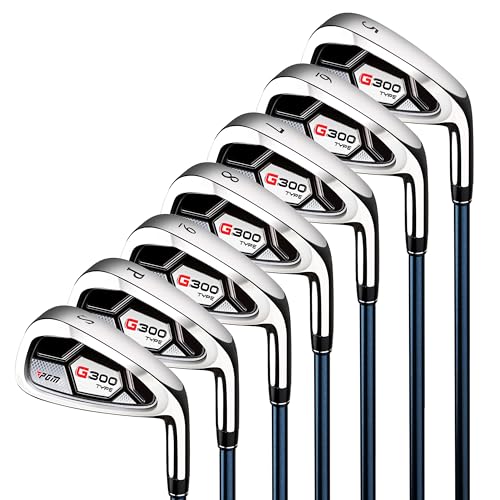 PGM cavity back set£281.64Buy on Amazon flatters your bad swings. Blades reward a repeatable, centre-face strike with better feel and shot shaping, so they suit low handicappers only.
The cavity back versus blade debate sounds like a skill badge, but it is really a question of forgiveness against control. Below we compare the two head types on the things that actually change your scores, then name the best value in-stock picks for each side on Amazon right now.
At a glance: cavity back vs blade irons
| Attribute | Cavity back | Blade |
|---|---|---|
| Forgiveness on mishits | High, weight sits around the perimeter | Low, punishes off-centre strikes |
| Best suited to | Beginners, mid and high handicappers | Low handicappers, consistent ball strikers |
| Feel and feedback | Muted, softer on mishits | Pure and precise on a centre strike |
| Shot shaping and workability | Harder to curve on demand | Easy to shape draws and fades |
| Look at address | Thicker top line, bigger head | Thin top line, compact head |
How do cavity back and blade irons actually differ?
It comes down to where the metal sits. A cavity back hollows out the back of the head and moves that weight to the perimeter, which raises the moment of inertia and keeps the face stable when you miss the middle. A blade, or muscle back, keeps the mass behind the centre of the face in a solid, compact head.
That single design choice drives everything else. Cavity backs are more forgiving, launch the ball higher and hold their line on a heel or toe strike. Blades feel purer and let a good player move the ball left or right at will, but they give you almost nothing back when the strike is off. If you thin one or catch it out of the toe, a blade lets you know in your hands and in the flight.
When should you choose cavity back irons?
Choose cavity backs if you are a beginner, a mid handicapper, or anyone who does not strike the centre of the face every time. That is the vast majority of golfers. The perimeter weighting turns a slight mishit into a playable shot rather than a lost one, the wider sole helps you glide through turf and rough, and the higher launch gets the ball up and stopping on the green.
Game improvement cavity backs go a step further with thicker top lines, stronger lofts and even more offset for extra distance and help with a slice. If your main goal is lower scores and more consistency, this is the easy pick. For a full rundown of the most forgiving sets, see our guide to the best game improvement irons for 2026.
When should you choose blade irons?
Choose blades only if you are a single-figure handicapper who strikes the ball out of the middle round after round and wants control over feel and forgiveness. Blades let you flight the ball down, work it both ways and feel exactly where the strike landed on the face, which is why better players and tour pros love them.
The trade-off is real. Miss the centre and you lose distance and direction with no help from the club. If you are not sure whether blades are for you, they probably are not yet. Many good players run a combo set instead, blades in the short irons for control and cavity backs in the long irons for forgiveness, which is often the smarter middle ground.
Our picks
PGM Forgiving Cavity Back Iron Set
A full cavity back set built around forgiveness, ideal for beginners and mid handicappers who want maximum help on every strike. The perimeter weighting keeps mishits flying straight, and buying the set means matched heads and shafts through the bag.
PGM Forgiving Cavity Back Iron Set
- Perimeter-weighted for forgiveness
- Matched full set of irons
- High launch, easy to hit
Price on Amazon
£281.64
Fazer CTRX Steel 7 Iron
A stainless steel cavity back single iron at pocket-money money, perfect for trying a cavity back, replacing a lost club or building a set piece by piece. Forgiving head, regular steel shaft, right hand.

Fazer CTRX Steel 7 Iron
- Stainless steel cavity back head
- Forgiving on off-centre hits
- Great value single iron
Price on Amazon
£24.99
Japan Pron Chrome Blade Iron
A classic chrome-finish blade for the confident ball striker who wants that thin top line and pure feel at address. Available as a single or a set, this is the workable, control-first option for lower handicappers.

Japan Pron Chrome Blade Iron
- Compact blade head, thin top line
- Pure feel on centre strikes
- Workable for shaping shots
Price on Amazon
£187.99
MAZEL WM-X3 Blade Single Iron
An affordable blade-style single iron if you want to test a bladed head or add one club without spending big. Sold as individual irons so you can pick the exact loft you need.

MAZEL WM-X3 Blade Single Iron
- Bladed single iron design
- Choose the exact loft you need
- Low-cost way to try blades
Price on Amazon
£49.99
Most golfers should still start with forgiveness. For the full shortlist of the easiest irons to hit, read our guide to the best game improvement irons for 2026.
Frequently asked questions
Are cavity back or blade irons better for beginners?
Cavity backs, without question. Beginners rarely strike the centre of the face, and the perimeter weighting in a cavity back keeps those off-centre shots flying straight and high. Blades punish mishits with lost distance and direction, so they make the game harder, not easier, for anyone still building consistency.
What handicap should you be to play blade irons?
As a rough guide, blades suit single-figure handicappers who strike the ball out of the middle consistently. There is no hard rule, but if you cannot repeat a centre-face strike, you will lose more shots to blades than you gain in feel. Many good players use a combo set to hedge their bets.
Do blade irons really go shorter than cavity backs?
On a pure centre strike the distances are similar, but cavity backs hold distance far better on mishits because of the perimeter weighting. Game improvement cavity backs also use stronger lofts, so they often fly a touch longer overall. For most golfers, cavity backs give more usable distance across a round.
What is a combo or combi iron set?
A combo set mixes head types through the bag, typically forgiving cavity backs in the harder-to-hit long irons and bladed or players heads in the short irons where control matters most. It is a popular middle ground for good golfers who want feel in the scoring clubs and forgiveness elsewhere.
Are muscle back and blade irons the same thing?
Effectively yes. Blade is the everyday term and muscle back describes the design, a solid head with the mass concentrated behind the centre of the face. Both are compact, workable and low on forgiveness compared with a cavity back. You will see the terms used interchangeably.
Can a mid handicapper play blades?
You can, but you probably should not if scoring is the goal. Blades demand a repeatable strike, and a mid handicapper will give up shots to mishits. If you love the look and feel, a combo set or a players cavity back gets you close to blade feel with far more forgiveness.
For the vast majority of golfers, cavity back irons are the smarter buy: more forgiveness, more distance on mishits and lower scores. Save blades for when your strike is truly repeatable. To pick the right forgiving set for your game, start with our guide to the best game improvement irons for 2026.


