
Buying Guides
Best Golf Bags 2026: Cart Bags and Stand Bags Compared
Fayrway Pros · 27 August 2026
Table of Contents
- At a glance: the best golf bags for 2026
- Stand bag or cart bag: which do you actually need?
- What to look for before you buy a golf bag
- How many dividers do you really need?
- What about Big Max, Titleist and the tour brands?
- Our top picks in detail
- What we would skip
- Frequently asked questions
- Ready to choose?

If you carry, the best all-round stand bag on Amazon is the TaylorMade Pro 6.0 Stand Bag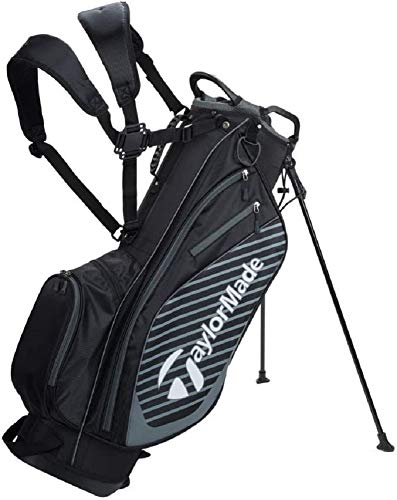 TaylorMade Pro 6.0 Stand Bag£139.99Buy on Amazon. If you ride a trolley, the matching TaylorMade Pro 6.0 Cart Bag
 TaylorMade Pro 6.0 Cart Bag£141.82Buy on Amazon is the safe pick. Watching the pennies? The Prosimmon Tour 14-Way
 Prosimmon Tour 14-Way£64.99Buy on Amazon gives you a full 14-way cart bag for a fraction of the golf-shop names.
Your bag is the one piece of kit you touch on every hole, so it pays to buy the right type for how you play. Below are the best golf bags you can get on Amazon right now with fast delivery, split into stand bags for carrying and cart bags for the trolley, plus honest guidance on where the premium pro-shop brands do and do not earn their money.
At a glance: the best golf bags for 2026
| Bag | Type | Best for | Price |
|---|---|---|---|
| TaylorMade Pro 6.0 Stand Bag | Stand | Best stand bag overall | £139.99 |
| TaylorMade Pro 6.0 Cart Bag | Cart | Best cart bag overall | £141.82 |
| MacGregor MacTec Stand Bag | Stand | Best lightweight carry | £64.99 |
| Ram Waterproof Cart Bag | Cart | Best waterproof | £119.99 |
| Prosimmon Tour 14-Way Cart Bag | Cart | Best value | £64.99 |
| Big Max Dri Lite Seven G Stand Bag | Stand | Best premium | £104.95 |
Prices are pulled live from Amazon and update through the day.
Stand bag or cart bag: which do you actually need?
Buy the bag that matches how you get round the course. A stand bag has retractable legs and a dual carry strap, so it stands up on its own and sits comfortably on your back when you walk. A cart bag is built to strap onto a trolley or buggy, with a non-slip base, a trolley-friendly strap channel and forward-facing pockets you can reach while it is clipped on. Pick a stand bag if you carry or use a lightweight carry bag most rounds, and a cart bag if you almost always ride a push trolley or buggy.
If you do a bit of both, a light stand bag is the more flexible choice because it also straps onto a trolley in a pinch, whereas a full cart bag is a heavy, awkward thing to sling over your shoulder. The one buy that never quite works is a big 14-way cart bag bought by a golfer who actually walks and carries.
What to look for before you buy a golf bag
Beyond the stand-versus-cart decision, a few features separate a bag that lasts several seasons from one you grow to resent:
- Divider top. More dividers keep clubs from tangling and rattling. A 4 or 5-way top is fine for a carry bag, while 14-way full-length dividers suit a cart bag where every club gets its own slot.
- Weight. For a stand bag, under about 2.5kg empty is the difference between a pleasant walk and a sore shoulder by the 15th. Cart bags can be heavier because the trolley carries the load.
- Weather protection. A rain hood is the minimum in Britain. Fully waterproof, taped-seam bags keep clubs and kit dry through a downpour, which matters more here than almost anywhere.
- Pockets and access. A dedicated insulated drinks pocket, a valuables pocket and a large apparel pocket cover most rounds. On a cart bag, check the pockets face forward so you can open them on the trolley.
How many dividers do you really need?
Match the top to the bag type, not to the highest number on the label. A 14-way full-length divider top gives every club its own channel so nothing tangles when you lift it out, which is ideal on a cart bag that lives on a trolley. On a stand bag you carry, a 4 or 5-way top saves weight and bulk while still keeping woods, irons and wedges roughly grouped. More dividers add weight and cost, so a walker is usually better served by fewer, lighter channels than by a 14-way top that never leaves the ground.
What about Big Max, Titleist and the tour brands?
They are excellent, and if you play several times a week a premium bag is worth owning. Titleist and TaylorMade tour bags are beautifully finished, Big Max leads the field on genuinely waterproof stand bags, and all of them hold their resale value. The catch is price: the flagship models run well past the picks here, and the very best waterproof cart bags are sold mainly through golf retailers rather than on fast Amazon delivery. The bags below are the best-value in-stock options that do the same core job. If you want a flagship pro-shop bag, buy it from a specialist, or see what our pros are stocking in the Fayrway golf bags range.
Our top picks in detail
TaylorMade Pro 6.0 Stand Bag: best stand bag overall
Verdict: the stand bag we would point most walkers to first. A trusted tour brand at a fair price, with the build to match.
The Pro 6.0 pairs a light, stable stand mechanism with a dual-density carry strap that spreads the load properly across both shoulders. The divider top keeps clubs organised, the pockets are sensibly placed, and it comes with a rain hood for British weather. It is not the cheapest carry bag here, but for the blend of brand, comfort and everyday usability, nothing else in this group matches it for a walker.
- Pros: trusted tour brand, comfortable dual strap, stable legs, rain hood included.
- Cons: pricier than a budget carry bag, heavier than a bare pencil bag.
TaylorMade Pro 6.0 Stand Bag
- Light, stable retractable legs
- Dual-density comfort carry strap
- Full divider top and rain hood
Price on Amazon
£139.99
TaylorMade Pro 6.0 Cart Bag: best cart bag overall
Verdict: the natural pick for trolley golfers who want a known name without flagship pricing.
Built to sit on a push trolley or buggy, the Pro 6.0 cart bag has a non-slip base, a strap channel that keeps it locked to the frame, and forward-facing pockets you can reach with the bag clipped on. The generous divider top and dedicated pockets for drinks, valuables and apparel cover a full round comfortably. If you ride a trolley most rounds, this is the safe, sensible choice.
- Pros: trusted brand, trolley-friendly base and strap channel, forward-facing pockets.
- Cons: too heavy to carry any distance, more bag than an occasional golfer needs.
TaylorMade Pro 6.0 Cart Bag
- Non-slip trolley base and strap channel
- Forward-facing, easy-reach pockets
- Generous divider top
Price on Amazon
£141.82
MacGregor MacTec Stand Bag: best lightweight carry
Verdict: a slim, genuinely light stand bag at a keen price, ideal for the golfer who walks and carries.
At a slim 7-inch top the MacTec is easy to sling on and easy on your shoulders across 18 holes, without stripping out the useful pockets. It keeps a stand mechanism, a divider top and a rain hood, so you are not sacrificing the basics for the low weight. If the TaylorMade is more bag than you need for a light carry, this is the one to look at.
- Pros: genuinely light, slim profile, keeps stand and rain hood, keen price.
- Cons: fewer pockets than a full bag, lesser-known brand than the tour names.

MacGregor MacTec Stand Bag
- Slim 7-inch lightweight top
- Stand mechanism and rain hood
- Easy on the shoulders all 18
Price on Amazon
£64.99
Ram Waterproof Cart Bag: best waterproof
Verdict: the pick for golfers who play through the wet and want their kit to stay dry on the trolley.
This Ram cart bag uses a waterproof construction with sealed zips to keep rain out of the pockets, so your spare glove, valuables and layers survive a British downpour. It has a full 14-way divider top and a trolley-ready base, making it a practical all-weather workhorse for the walker who refuses to be beaten by the forecast. It is heavier than a fair-weather bag, but that is the trade for staying dry.
- Pros: waterproof body and sealed zips, 14-way top, trolley-ready base.
- Cons: heavier than a dry-weather bag, best on a trolley rather than carried.

Ram Waterproof Cart Bag
- Waterproof body with sealed zips
- Full 14-way divider top
- Trolley-ready non-slip base
Price on Amazon
£119.99
Prosimmon Tour 14-Way Cart Bag: best value
Verdict: a proper full 14-way cart bag for the price of a couple of dozen balls, ideal for the occasional trolley golfer.
You do not need to spend big to get a well-organised cart bag. The Prosimmon Tour has a full 14-way divider top, plenty of pockets and a trolley-friendly base, at a price that undercuts the tour brands by a wide margin. It lacks the plush finish and premium fabrics of the pricier picks, but for a golfer who rides a trolley a couple of times a month it does the fundamental job reliably.
- Pros: excellent value, full 14-way top, good pocket count, trolley-friendly.
- Cons: basic fabrics and finish, not fully waterproof.
Prosimmon Tour 14-Way Cart Bag
- Full 14-way divider top
- Plenty of pockets for the money
- Trolley-friendly base
Price on Amazon
£64.99
Big Max Dri Lite Seven G Stand Bag: best premium
Verdict: the closest thing here to a flagship bag, if you want a recognised premium name without golf-shop pricing.
Big Max built its reputation on water-repellent stand bags, and the Dri Lite Seven G shows it: a light frame, a smart water-repellent fabric that shrugs off showers, and a comfortable carry system. It sits at the top of this group on price but undercuts the flagship tour bags by a wide margin, so it is the natural step up if premium build and weather resistance matter to you.
- Pros: premium brand, water-repellent fabric, light frame, comfortable carry.
- Cons: priciest here, colour options and stock can be limited.

Big Max Dri Lite Seven G Stand Bag
- Water-repellent Dri Lite fabric
- Light frame, comfortable carry
- Premium brand without flagship pricing
Price on Amazon
£104.95
What we would skip
A few things to watch when you shop:
- No-name bags with fake RRPs. Unbranded bags listed at "£179.99, now £49.99" are almost always worth their real £50. Judge on the actual price and the volume of genuine reviews, not the imaginary saving.
- A 14-way cart bag for a golfer who carries. A big cart bag is miserable to sling over your shoulder. If you walk and carry, buy a stand bag and enjoy the round.
- "Water-resistant" sold as waterproof. Water-resistant means showerproof, not downpour-proof. If you play through real rain, buy a bag with a genuinely waterproof body and sealed zips.
- Flagship brands bought on Amazon at a markup. If a top-end Titleist or TaylorMade shows up from a third-party seller well above the golf-shop price, buy it from a specialist retailer instead.
Frequently asked questions
Should I buy a stand bag or a cart bag?
Buy a stand bag if you carry or use a lightweight carry bag most rounds, as it has legs and a comfortable dual strap. Buy a cart bag if you almost always ride a push trolley or buggy, as it has a non-slip base and forward-facing pockets. A light stand bag is the more flexible choice if you do both.
How much should I spend on a golf bag?
Around £65 to £140 buys a well-reviewed, trusted-brand bag on Amazon, whether that is a MacGregor carry bag or a TaylorMade stand or cart bag. Premium flagship bags run higher and are often sold through specialist golf retailers. Below about £45 the fabrics, zips and stand mechanisms tend to wear out quickly.
How many dividers do I need in a golf bag?
A 4 or 5-way top is fine for a stand bag you carry, keeping woods, irons and wedges roughly grouped while saving weight. A 14-way full-length top suits a cart bag on a trolley, giving every club its own channel so nothing tangles. More dividers add weight, so match the top to the bag type.
Are these golf bags waterproof?
Most bags here are water-resistant with a rain hood, which handles showers. For genuine downpour protection choose a bag with a waterproof body and sealed zips, such as the Ram Waterproof Cart Bag or a water-repellent Big Max stand bag. In British weather a truly waterproof bag is worth the extra outlay if you play year round.
Will a golf bag fit any trolley?
Most stand and cart bags fit standard trolleys via upper and lower straps. Check the bag base is not a shaped stand base that fights the trolley cradle, and that the trolley has both an upper strap and a lower cup to hold the base securely on rough ground. Cart bags are designed to sit on a trolley from the start.
How heavy should a carry bag be?
For a stand bag you carry, aim for under about 2.5kg empty. Much heavier than that and a full bag of clubs, balls, waterproofs and a drink becomes a real drag by the closing holes. Slim, lightweight bags like the MacGregor MacTec are built specifically to keep the load off your shoulders across 18 holes.
Ready to choose?
For most walkers the TaylorMade Pro 6.0 stand bag is the safe, comfortable, do-everything pick. Choose the matching cart bag if you ride a trolley, the MacGregor MacTec if you want the lightest carry, the Ram if you play through the wet, the Prosimmon Tour if budget decides it, and the Big Max Dri Lite Seven G if you want a premium name. You can also browse the Fayrway golf bags range to see what our pros are stocking.


